Walk into three hair studios in Mumbai and ask for a hair patch, and you may get three different answers. One will start talking about bonding. Another will bring up weaving. The third will use all three words in one sentence as if they mean the same thing. They don’t, and that confusion is exactly where first-time buyers overpay or end up with a method that doesn’t suit their scalp or lifestyle. This guide to hair patch vs hair weaving vs hair bonding clears it up before you spend a rupee.
First, Untangle the Terms
Here’s the thing most people don’t realise: these three aren’t really three competing products. One is the hair itself, and the other two are ways of fixing it in place.
Hair Patch
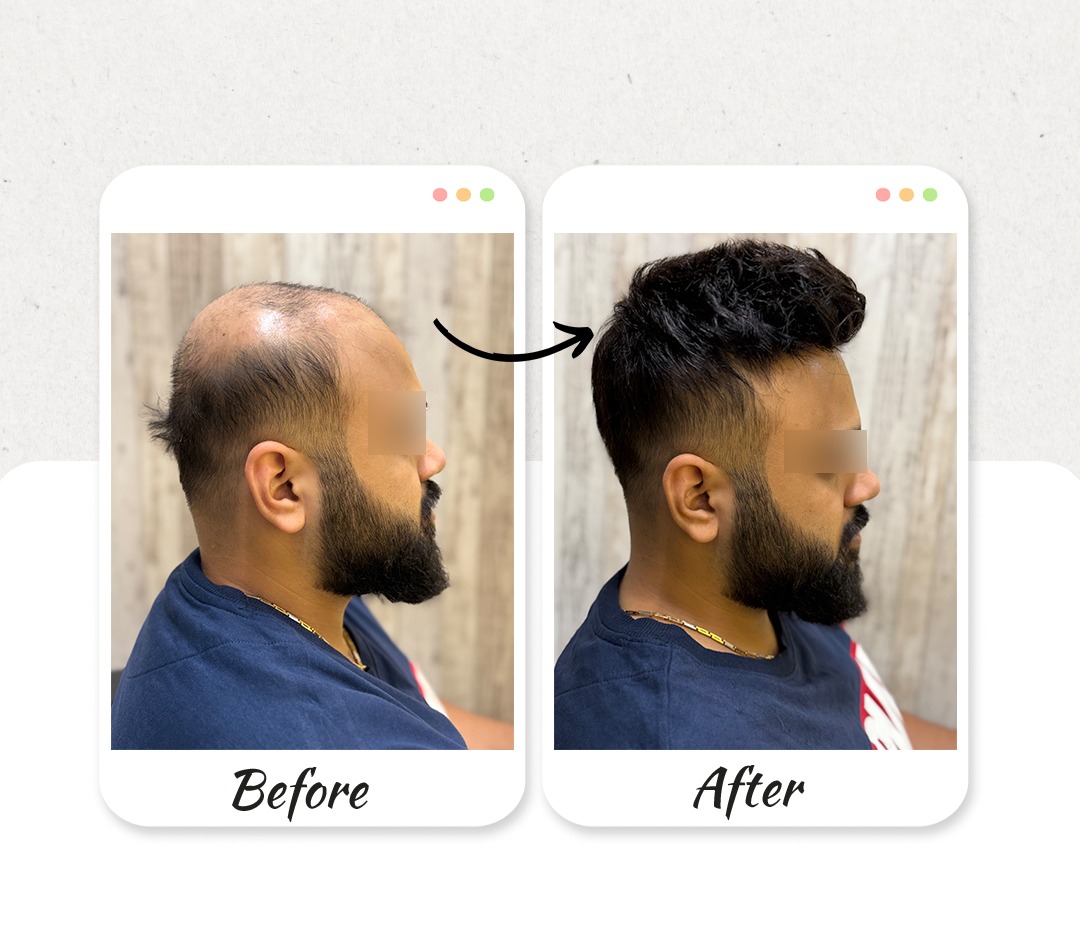
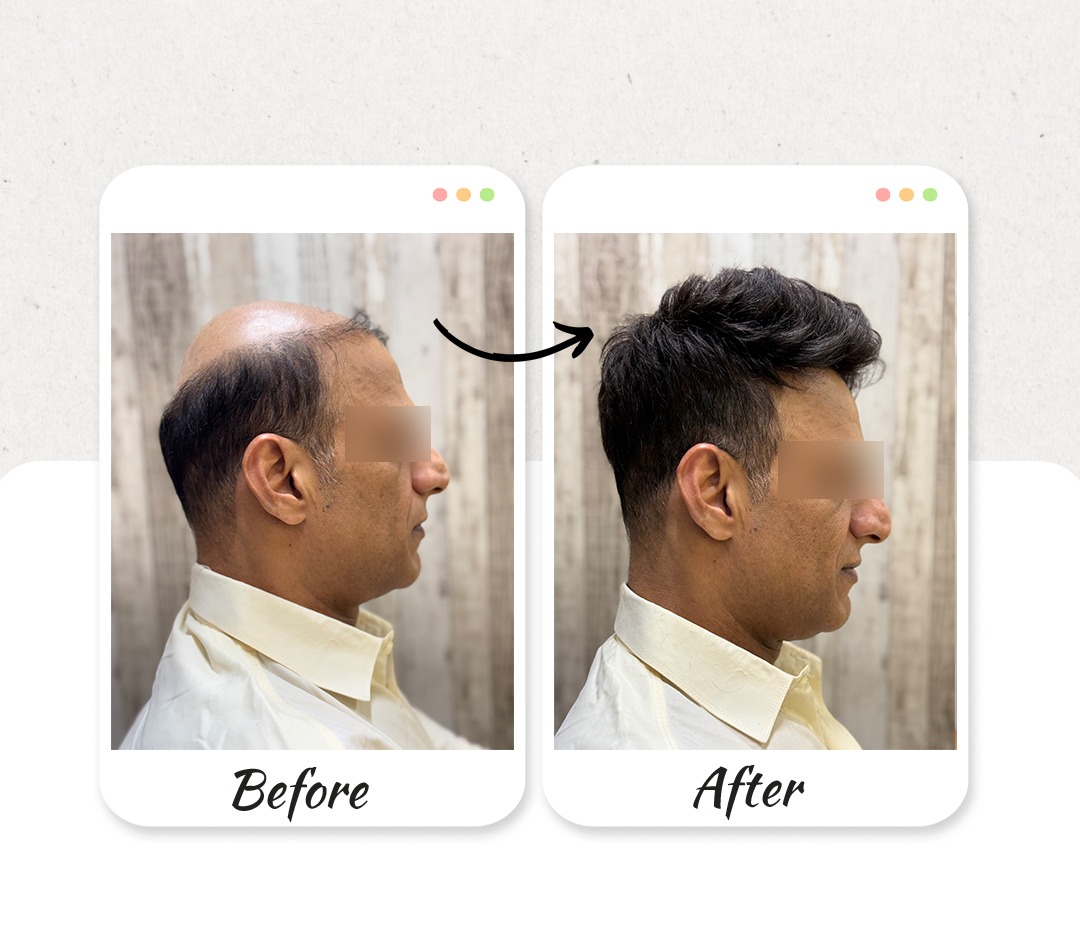
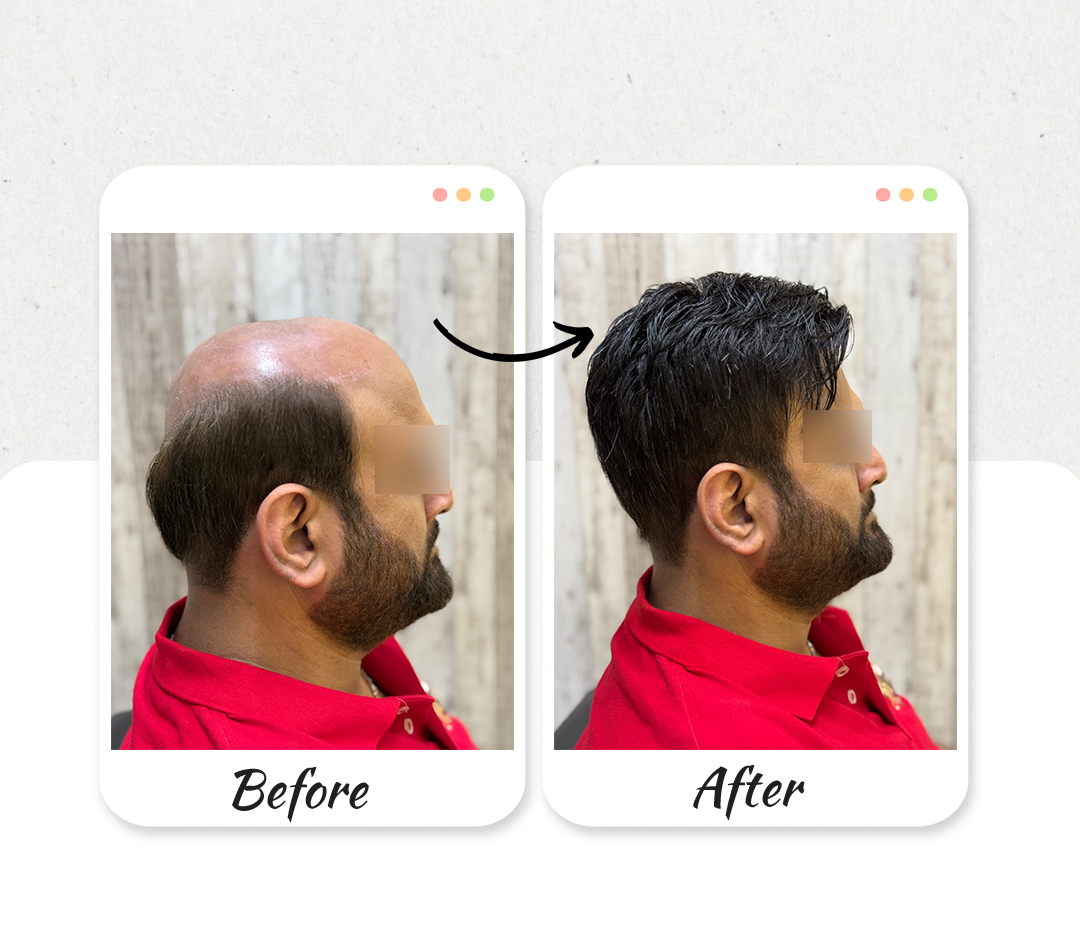
A hair patch, also called a hair system, is a custom-made unit of natural or synthetic hair on a thin base. It covers thinning or bald areas without surgery, with instant results. When someone searches for a hair patch service in Mumbai, they’re looking for this.
Hair Bonding
Bonding is an attachment method. The patch is fixed to the scalp with a skin-safe adhesive, providing a secure hold for continuous wear. Bonding sits alongside tape and clips as one way to attach a system.
Hair Weaving
Weaving is a different technique altogether. Instead of attaching to the scalp, the hair is secured to your existing hair, typically by braiding or stitching. That means it depends on having enough natural hair around the thinning area to anchor to.
Hair Patch vs Hair Weaving vs Hair Bonding: Side by Side
| Hair Patch (Clip/Tape) | Hair Bonding | Hair Weaving | |
| What it is | A custom hair system, removable | A system fixed with adhesive | Hair secured to your own hair |
| Suited to | Occasional or flexible wear | Regular, continuous wear | Those with enough hair to anchor to |
| Scalp coverage | Depends on the base | Full or partial, as designed | Limited to areas near existing hair |
| Upkeep | Easy to remove and reapply | Needs professional servicing | Needs regular tightening as hair grows |
| Flexibility | High | Moderate | Lower |
A word of caution: It describes the general nature of each method, and the right choice still depends on your scalp, your hair loss pattern and your routine.
Which One Suits Which Hair Loss Pattern?
In our experience, the pattern of loss narrows the choice faster than anything else.
- Advanced or complete baldness: There’s little existing hair to anchor to, so weaving is rarely practical. A full-cap system, attached with bonding or tape, provides complete scalp coverage.
- Receding hairline or crown thinning: A custom-made system blended with your existing hair at the sides and back usually gives the most natural result.
- Occasional wear: If you only want hair for weddings, events or photographs, clip-on and tape-in options are easy to apply and remove.
If you’re weighing this up, resist the urge to pick a method first and fit your head to it. Start with your scalp and your daily routine, and let the method follow.
What to Look for in a Hair Patch Service in Mumbai
Quality varies enormously, and the differences aren’t always visible in a showroom. Here’s what to check.
- Hair quality: Real human Remy hair looks and moves like your own. Hair Destination Studio uses 100% natural Remy human hair on its systems.
- Customisation: Density, colour, texture, base shape, hairline and implant direction should all be tailored to you, not picked from a fixed catalogue.
- How the hair is implanted: Strands are implanted one at a time, like natural growth, so you can part your hair the way you want.
- Professional fitting: A well-made patch fitted badly still looks like a patch.
- Aftercare and servicing: A good studio plans for the months after the sale, not just the day of the fitting.
Mumbai adds its own demands. Humidity, monsoons, crowded commutes, and long workdays test a system, so ask how it will cope with your routine, not just how it looks under studio lights.
Hair Bonding in Mumbai: What to Ask Before You Commit
Because bonding is the most common route for continuous wear, ask a few specific questions about hair bonding in Mumbai before you book.
- How is the scalp prepared before attachment?
- Is the adhesive skin-safe, and what if my skin is sensitive?
- How often will it need servicing, and what does that visit involve?
- How is it removed, and how do I care for it between visits?
On the practical side, bonded systems usually take about an hour or two to apply. Day-to-day care is simple: wash with a sulfate-free shampoo, gently brush from the ends, limit heat styling, and shield your hair from chlorine and harsh sunlight.
How Long Will It Last, and What Will It Cost?
A hair system typically lasts 6 months to 2 years, depending on its quality, your lifestyle, and how well you maintain it. Regular servicing extends that range.
On cost, there’s no honest flat price. It varies with hair quality, base material and the amount of customisation, which is why a consultation matters. Be cautious of any quote that arrives before someone has looked at your scalp. Compared with a hair transplant, these non-surgical routes offer instant results with no pain, surgery, or recovery time.
Where Hair Destination Studio Fits In
Hair Destination Studio focuses on custom hair systems attached with bonding, tape, or clips, depending on what suits you. Shahid Ansari founded the studio and has over 15 years of experience, having worked with more than 15,000 clients, with the aim of making a safe, cost-effective alternative to expensive surgery available to men and women.
The first consultation is free and includes a demo, so you can see and feel the options rather than choosing from a brochure.
Final Thoughts
Hair patch vs hair weaving vs hair bonding looks like a three-way choice, but it’s really two questions. What kind of hair system suits your loss pattern, and how should you attach it to suit your life? Answer those honestly with someone who looks at your scalp first, and the rest becomes much simpler.
If you’re ready to compare options in person, visit the Powai or Malad branch for a free consultation. Bring your questions, see the samples, and decide at your own pace.