There’s a moment every person dealing with hair loss eventually reaches — standing in front of a screen at 1 AM, tabs open, comparing options, trying to figure out what will actually work without making things worse. Somewhere in that research spiral, two options keep coming up: hair wigs and hair bonding.
On the surface, they seem like variations of the same thing. Both sit on your head. Both add hair where yours has thinned or disappeared. Both are non-surgical. So why do the results look so completely different — and why does one consistently outperform the other in real-world wear?
The answer isn’t just about the hair. It’s about everything beneath it, around it, and holding it in place. Once you understand what actually separates hair bonding from a conventional wig, the choice becomes obvious.
What Most People Picture When They Hear “Wig”
Let’s be honest about what a wig typically is. A pre-made cap — usually sized as small, medium, or large — with hair attached to it, designed to sit over the entire scalp. You put it on. You take it off. It stays in place through clips, combs, or elastic bands. At the end of the day, it comes off with you.
For theatrical use, costume purposes, or medical hair loss situations where full coverage is needed temporarily, wigs serve a purpose. But for someone who wants to live their normal life — go to the gym, sit through a board meeting, get caught in Mumbai’s monsoon, sleep through the night — a conventional wig introduces a set of anxieties that never quite go away.
Will it shift? Can someone tell? What happens if it’s windy? What about swimming? Can I let someone run their hands through my hair?
These are not trivial concerns. They’re the daily mental tax of wearing something that sits on top of your head rather than integrating with it.
What Hair Bonding Actually Is
Hair bonding is a fundamentally different approach — and the distinction matters more than most people realise before they experience it.
In a professional hair bonding service, a custom-crafted hair system is secured directly to your scalp using medical-grade adhesives or bonding agents. It doesn’t clip onto existing hair. It doesn’t balance on a cap. It bonds — skin to base, creating a hold that is designed to stay through activity, weather, sleep, and daily life.
At Hair Destination Studio, the bonding process starts long before the adhesive is applied. Every system is built from scratch using 100% natural human Remy hair, customised to match your exact hair colour, density, texture, and hairline. The base itself — the layer that sits against your scalp — is selected based on your skin type, lifestyle, and the level of breathability you need.
What you end up with is not something sitting on your head. It’s something that has become part of your head — at least in every way that matters visually and practically.
The Natural Look: Where Bonding Wins Every Single Time
Here’s where things get interesting. The reason hair bonding consistently produces more natural results than wigs comes down to four specific factors that most people never think to ask about.
The Hairline
A wig’s hairline is fixed at the edge of the cap. No matter how it’s adjusted, there’s a perimeter — and that perimeter, under certain lighting or from certain angles, reveals itself. The transition from “cap” to “skin” is where wigs most frequently fail the naturalness test.
With a bonded hair system, the hairline is designed specifically for your face. At Hair Destination Studio, we map the hairline based on your face shape, your age, and how your natural hair grew — creating a gradual transition from the skin to the hairline that mirrors exactly how real hair grows. There is no visible edge. No cap border. Just hair emerging from scalp, the way it always has.
The Base Material
A wig’s cap is typically made of a relatively thick material designed to cover the entire head. It sits above the scalp, creating a slight elevation that adds unnatural volume at the base and can catch light differently from real scalp skin.
A bonded hair system uses ultra-thin base materials — skin-toned, scalp-simulating — that lie flush against your skin. When the parting is made, what you see beneath it looks like actual scalp. This detail alone changes everything about how a system reads under close inspection, in direct light, or in high-definition video.
The Movement
Wigs move as a unit. The entire cap shifts when the hair moves, which — even with the best-fitted wigs — creates a subtly unnatural motion that the eye detects even when the brain can’t name what it’s seeing.
Hair in a bonded system moves the way hair actually moves — from the root. Because the base is locked to the scalp and the hair is implanted strand by strand, each section of hair responds independently to wind, touch, and movement. The result is the kind of natural flow that makes someone watching you think: that’s just their hair.
Freedom of Parting
One of the most revealing tests of any hair solution is whether you can change your parting freely. Wigs and low-quality systems are built with a fixed parting direction — deviate from it, and the base construction underneath becomes visible.
At Hair Destination Studio, systems are built using a single-strand implantation technique that mirrors the way hair naturally grows from the scalp. Each strand is set at its natural angle and direction, which means you can part your hair wherever you want, in any direction, without the system betraying itself. That level of freedom is something wigs simply cannot offer.
The Wear Experience: Day One to Month Six
Beyond the visual, the lived experience of hair bonding versus a wig is entirely different.
A wig is something you wear. Hair bonding is something you have. That might sound like wordplay, but the practical difference is significant.
With a bonded system, you wake up with hair. You shower with hair. You work late, travel, go to the gym, sit through a two-hour meeting under fluorescent lighting — all with hair. There’s no removal ritual, no storage case on the bathroom counter, no morning routine that starts with putting yourself together from scratch.
Clients at Hair Destination Studio consistently describe the same shift after their first bonded system: within a week or two, they stop thinking about it. Not because they’ve forgotten it’s there, but because it behaves so consistently and naturally that it stops demanding their attention. That mental freedom — the absence of low-level daily anxiety about how your hair looks — is something no wig can reliably deliver.
The Longevity Difference
A standard wig, with daily wear and regular use, typically lasts six to twelve months before the cap structure, the hair quality, or the attachment mechanisms begin to visibly deteriorate.
A well-maintained bonded hair system built from quality Remy hair can last anywhere from one to two years, with maintenance visits every three to six weeks to refresh the bond and check the system’s condition. The ongoing care is straightforward — and at Hair Destination Studio, every client receives a detailed aftercare guide and premium products to extend the system’s life.
The economics, when calculated over time, often surprise people. Premium hair bonding — done properly, with quality materials — can be more cost-effective over a two-year period than repeatedly replacing lower-grade wigs.
Not All Bonding Is Equal — This Part Matters
It would be dishonest to write this without acknowledging that hair bonding, like any skilled service, varies enormously in quality depending on who does it.
Poor bonding technique — using the wrong adhesive for a client’s skin type, applying insufficient coverage, or skipping proper scalp preparation — can result in systems that lift, shift, or cause scalp irritation. This is why the horror stories exist, and why they’re disproportionately associated with low-cost, high-volume studios that treat bonding as a quick transaction rather than a craft.
What separates a genuinely natural result from a disappointing one is the experience of the person applying the system, the quality of materials used, and the level of customisation invested before the system even reaches your scalp. At Hair Destination Studio, our founder Shahid Ansari brings 15+ years and 15,000+ client transformations to every consultation — and that depth of experience is what makes the difference between a system that looks real and one that merely looks covered.
The Conversation Worth Having
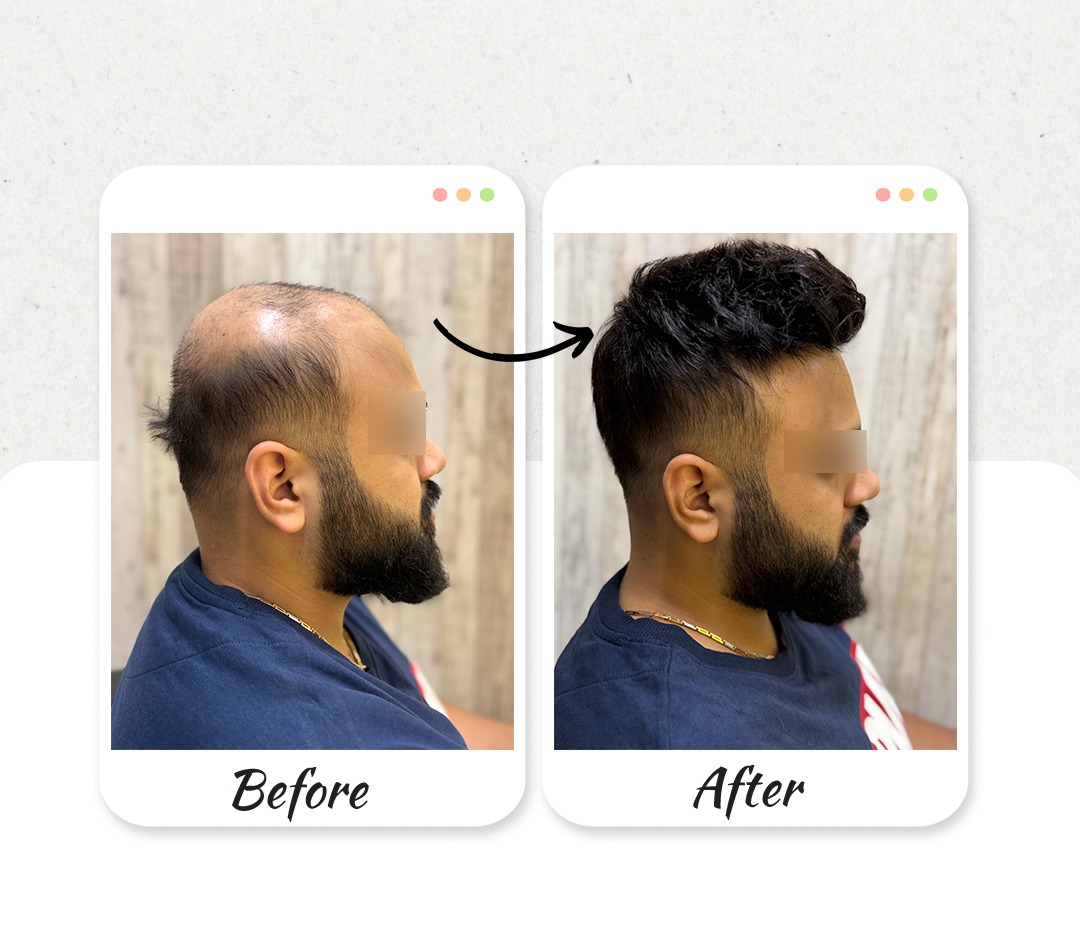
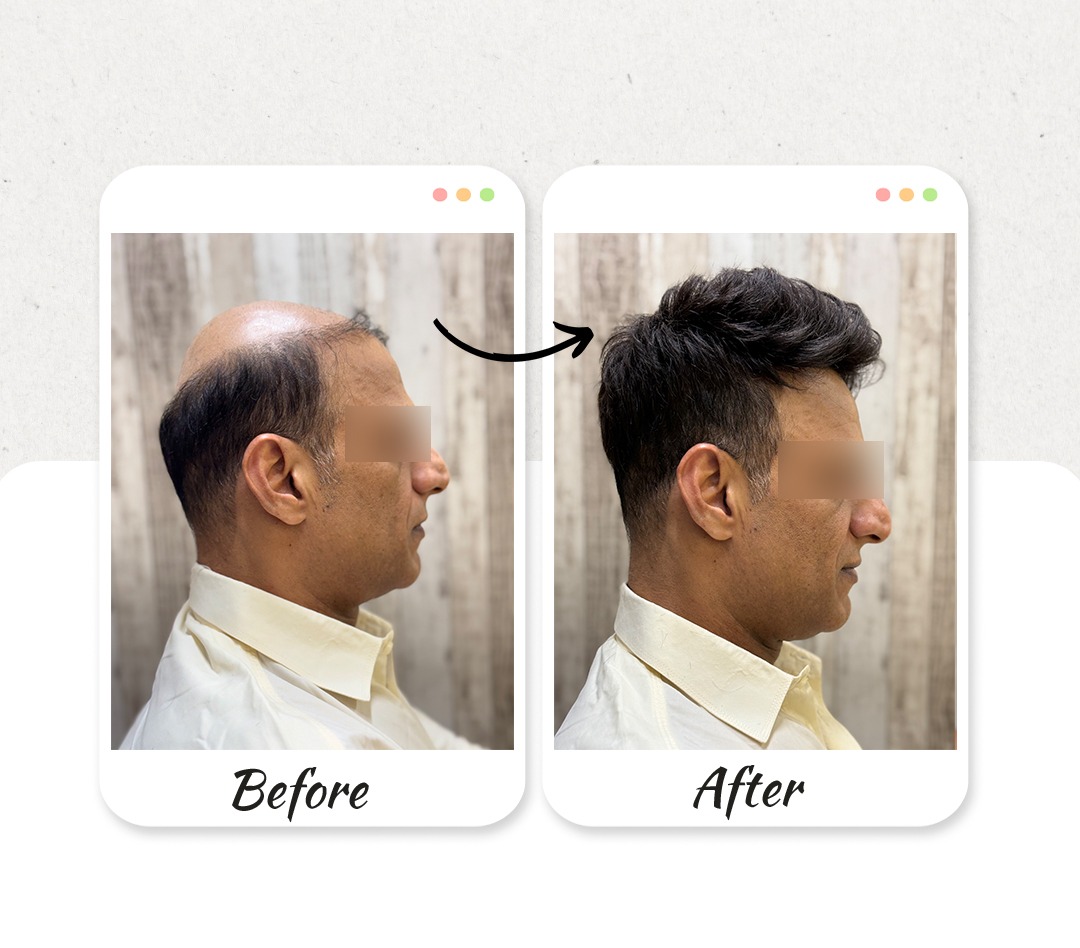
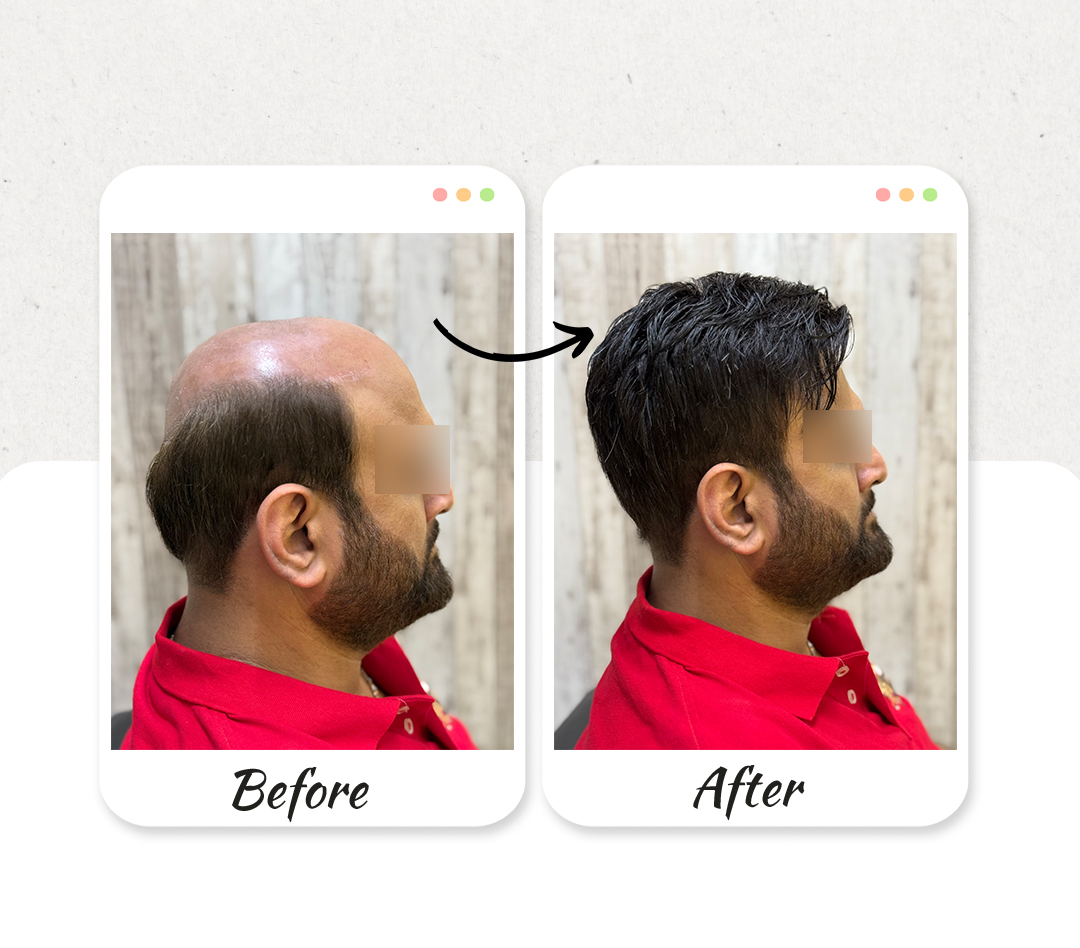
If you’ve been considering your options — weighing a wig against something more permanent-feeling, wondering whether hair bonding is really as natural as it looks in the before-and-after photos — the most useful next step isn’t more research. It’s a conversation.
At Hair Destination Studio, consultations are free. You’ll leave with a clear understanding of what a custom bonded system would look like for your specific hair loss pattern, what the maintenance involves, and what you can realistically expect — without pressure to commit to anything.
The difference between how you look with a wig and how you look with a properly bonded hair system is the kind of thing that’s easier to show than describe.
Call us at +91 88283 81386 or visit our Powai or Malad studio. See it for yourself.