Walk into any salon in Mumbai and ask about hair extensions, and you’ll get one of two responses. Either someone hands you a catalogue of options with no context for which actually works for your hair — or you’re steered confidently toward whatever the studio has in stock that week.
Neither of those is what you need.
Indian hair has specific characteristics that most generic extension advice simply doesn’t account for. It’s why women leave some salons thrilled with their extensions and others deeply disappointed — not because extensions don’t work for Indian hair, but because the wrong type, the wrong texture match, or the wrong application method was chosen for their specific hair.
If you’re considering hair extensions and you want results that genuinely blend, last well, and don’t damage what you already have — this is the guide that covers what actually matters.
First, Understand What Makes Indian Hair Different
Indian hair is not a monolith. But broadly speaking, it tends to share certain characteristics that directly affect which extensions will work and which won’t.
Most Indian women have hair that is naturally thick in individual strand diameter, with a medium-to-high density at the scalp. The texture ranges from straight to wavy to loosely curled — often varying across different sections of the same head. The hair tends to be naturally dark, with a deep brown-to-black base that sits on the warmer end of the colour spectrum. And critically, it has a distinct weight and movement pattern — a particular way of falling and swinging — that lighter, finer extensions from European hair sources simply don’t replicate.
What this means practically: an extension that looks flawless on fine, straight Caucasian hair can look entirely wrong when applied to thicker, darker Indian hair. The texture doesn’t blend. The weight distribution feels off. The colour — even when it appears to match on a swatch — catches light differently once it’s in your hair.
This is the core challenge of choosing hair extensions for Indian hair texture, and it’s why the first question to ask any studio isn’t “what extensions do you offer?” — it’s “what extensions do you offer that are sourced and matched for Indian hair specifically?”
The Hair Type Question: Human vs. Synthetic
This one isn’t complicated, but it needs to be said clearly: for Indian hair texture, 100% human hair extensions are the only option worth considering for long-term wear.
Synthetic extensions are less expensive upfront, but they cannot be heat-styled, fade and tangle faster, and carry a sheen that reads as artificial against the natural finish of Indian hair. The texture mismatch becomes especially obvious in direct sunlight or in photographs — precisely the situations where you most want your extensions to be invisible.
Human hair extensions — particularly those made from Remy hair, where all cuticles run in the same direction — behave like your own hair. They can be washed, blow-dried, straightened, curled, and oiled the way you would normally treat your hair. They absorb colour the same way. They move with the same weight and fall that Indian hair naturally has.
At Hair Destination Studio, every extension we work with is sourced from 100% natural human Remy hair — because anything less is a compromise that shows up within weeks, not months.
Matching Texture: The Detail Most People Underestimate
Here’s something most extension consultations skip entirely: Indian hair, even when it appears straight, often has a subtle wave pattern or a slight body to it that straight extensions don’t replicate. When you attach extensions that are perfectly straight to hair that has even minimal natural movement, the difference in behaviour becomes visible the moment humidity or wind enters the picture.
The right approach is to match extensions not just to your hair colour, but to your hair’s natural state — how it actually behaves on an average day, not how it looks fresh out of a blowout.
This requires an in-person consultation where a trained technician examines your hair texture across different sections — because Indian hair often has variation within the same head. The crown may behave differently from the mid-lengths. The hair around the face frequently has a different wave pattern from the hair at the back.
A good studio accounts for all of this before selecting the extension type. A studio that hands you a colour chart and calls it a consultation does not.
The Application Methods — And Which Work Best for Indian Hair
The method used to attach extensions matters as much as the hair itself, particularly for Indian hair which tends to be heavier and places more stress on attachment points.
Tape-In Extensions
Tape-in extensions involve weft sections sandwiched between your natural hair using medical-grade adhesive tape. They lie flat against the scalp, distribute weight evenly, and are one of the most comfortable options for daily wear.
For Indian hair, tape-ins work well when the hair has medium-to-good density. They’re particularly suited for women looking to add length and volume without bulk at the scalp. Maintenance involves repositioning every six to eight weeks as your natural hair grows.
Clip-In Extensions
Clip-ins are the most flexible option — attached and removed daily using pressure clips woven into wefts. For Indian hair, clip-ins work best when your natural hair has enough density to conceal the clips and support the weight without strain on the roots.
They’re ideal for occasional use — events, shoots, travel — rather than permanent wear. The advantage is zero commitment and zero risk to your natural hair when used correctly.
Micro-Ring / Bead Extensions
Individual strands of extension hair are looped through small metal rings and clamped near the root of your natural hair. No heat, no adhesive. For Indian hair with good strength and thickness, micro-ring extensions offer a very natural movement and can last three to four months before repositioning.
The caveat: they require regular maintenance, and if the rings are applied too close to the scalp or on weakened hair, they can cause tension-related breakage over time. Technician skill matters enormously here.
Keratin Bond (Fusion) Extensions
Individual extension strands are bonded to small sections of natural hair using a keratin protein adhesive, applied with a heat tool. The bonds are nearly invisible and allow for very natural movement and styling freedom.
For Indian hair specifically, keratin bond extensions offer the most seamless blend — particularly for women who wear their hair in varied styles and need extensions that hold up across updos, braids, and open styles alike. They typically last three to five months with proper care.
Colour Matching for Indian Hair: More Complex Than It Looks
Indian hair colour is rarely a flat shade. Most natural Indian hair has warmth built into it — undertones of red, chestnut, or golden brown that shift in sunlight. Extensions that appear to match indoors frequently look noticeably different once you step outside.
The right way to match is to examine hair under natural daylight, not salon lighting. It also means looking at the mid-lengths and ends of your natural hair — not just the roots — since most Indian women have natural variation in depth from root to tip.
If your natural hair has been coloured, highlighted, or chemically treated, the matching conversation becomes more layered. Extensions need to be selected or toned to align with your current colour, not your original base. This is a conversation worth having in detail during your consultation, because getting it wrong is immediately visible and not always easily corrected.
What to Ask Before You Book Any Extension Appointment
Knowing what to look for changes the quality of every studio conversation you have. Before committing to any extension service, ask these directly:
Is this 100% human Remy hair, and where is it sourced from? Indian-sourced Remy hair tends to match Indian hair texture more naturally than European-sourced extensions. Ask specifically.
Have you worked extensively with Indian hair texture? This is not a rude question. It’s the most relevant qualification a technician can have for this service.
What maintenance will my natural hair need during and after wearing extensions? Extensions add weight and change how your scalp and roots behave. A good studio prepares you for this upfront.
What’s the removal process, and will it damage my natural hair? Proper removal is as important as proper application. Extensions removed incorrectly — particularly keratin bonds and tape-ins — can cause breakage and thinning that takes months to recover from.
The Result That’s Worth Getting Right
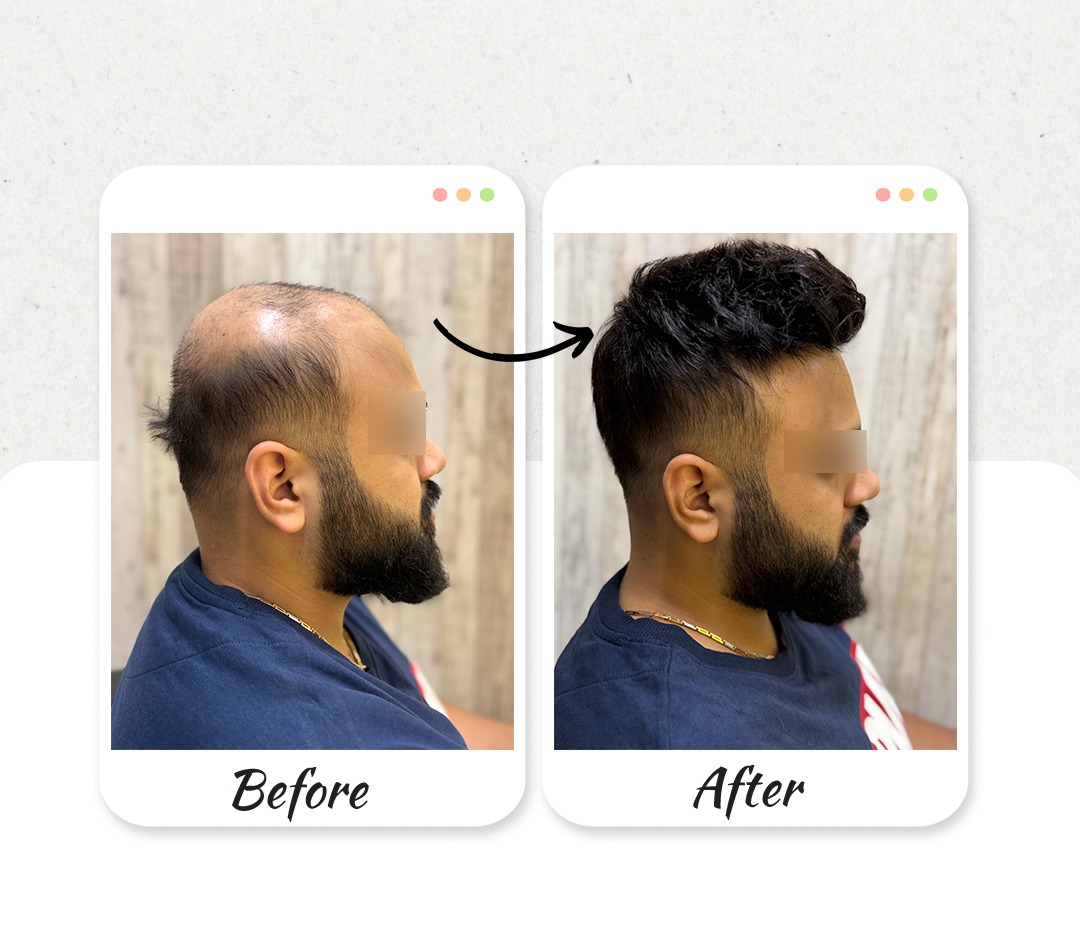
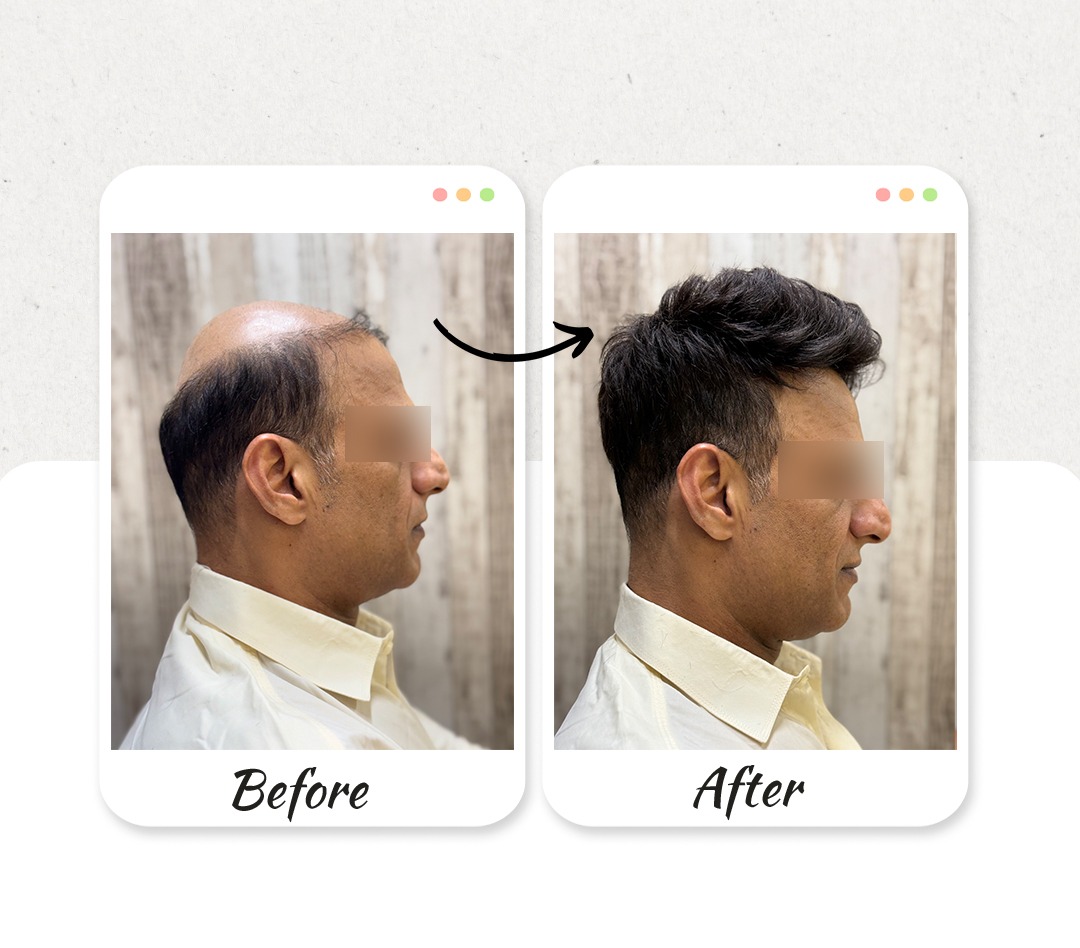
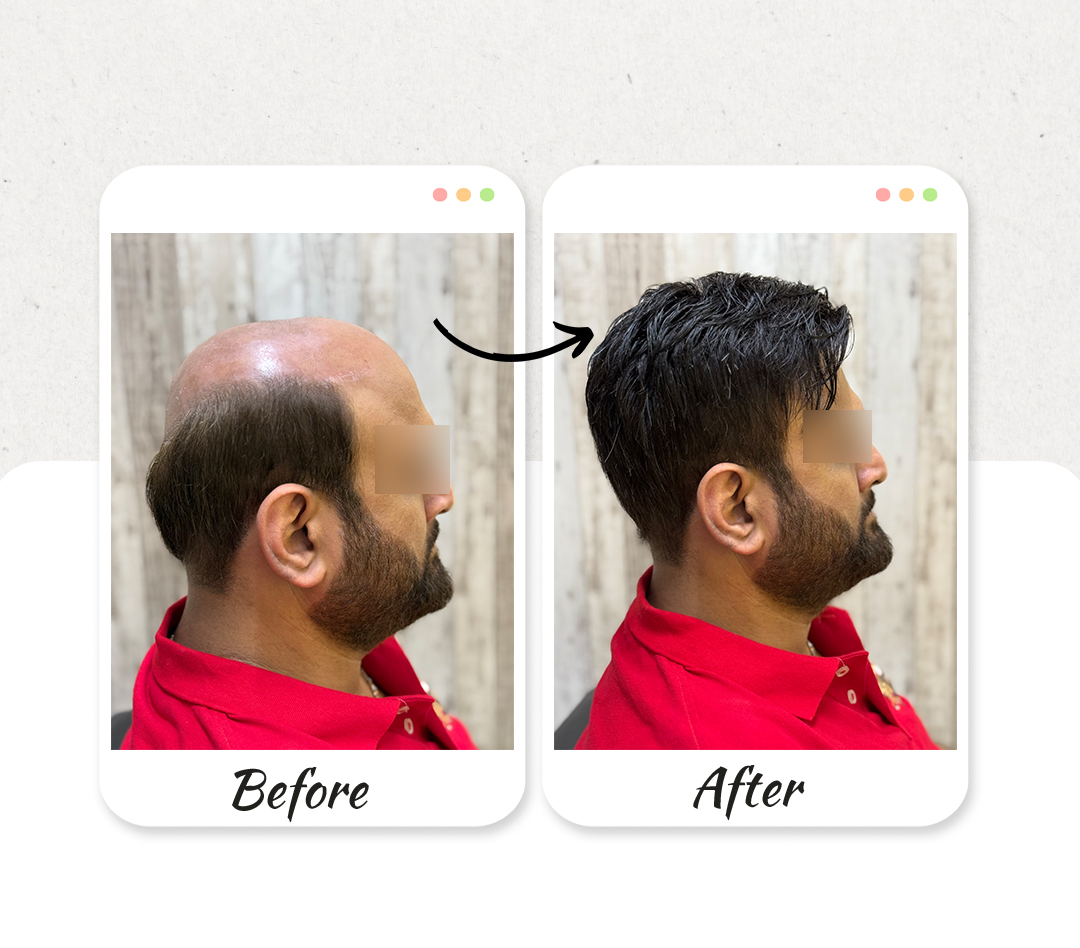
Done properly, hair extensions for Indian hair texture are genuinely transformative. Not in the dramatic, “no one will recognise you” way — but in the quieter, more satisfying way of looking exactly like yourself, with more length, more volume, and more of the hair confidence that comes from hair that responds the way you want it to.
The difference between extensions that look real and extensions that look added is almost entirely a function of how seriously the studio takes the matching and application process. It’s not magic — it’s craft.
At Hair Destination Studio, our extensions team works specifically with Indian hair textures across our Powai and Malad studios, using 100% human Remy hair matched to your natural texture, colour, and weight. Every appointment starts with a consultation that covers your hair health, your lifestyle, and your goals — before any extension is selected.
If you’ve been thinking about extensions and want to understand what would actually work for your hair specifically, come in for a free consultation.
Call us at +91 88283 81386 or visit us at our Powai or Malad studio. No pressure — just an honest conversation about your hair.