Ask ten people the difference between hair bonding and a hair patch, and you’ll get ten confident answers, most of them slightly off. The confusion is understandable. People often use the two terms as if they were rival products, when one describes how a piece stays on your head, and the other describes how much of your head it covers.
Once you see that, choosing gets a lot easier. Below is what each term means, where they overlap, and how to work out which one your situation actually calls for.
Hair Bonding, Explained
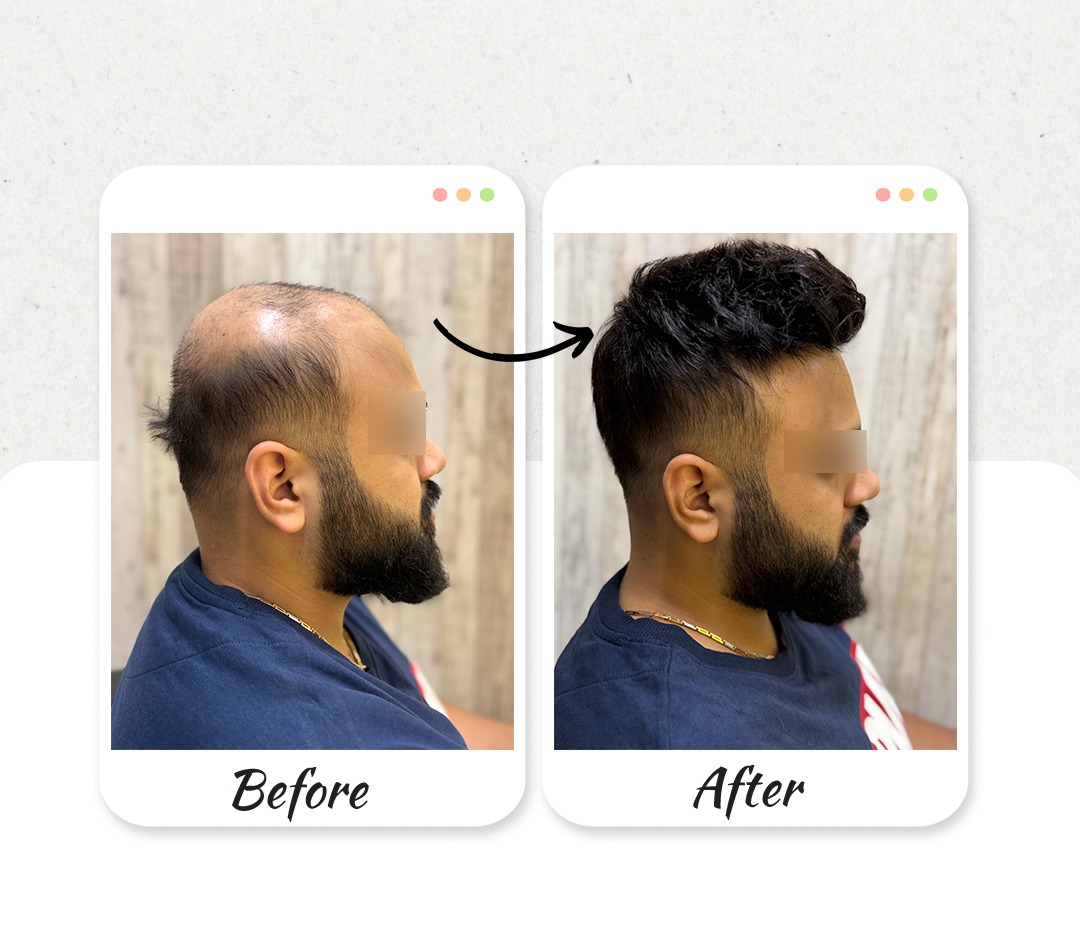
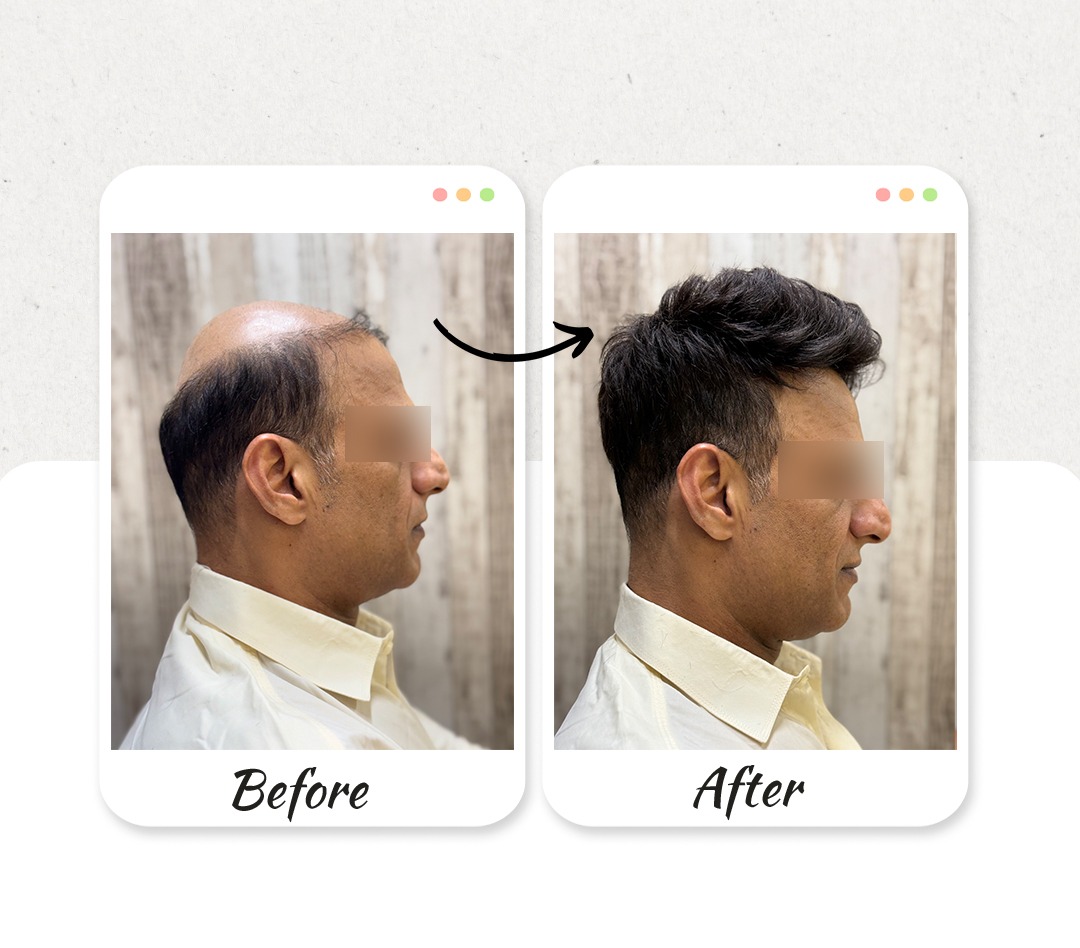
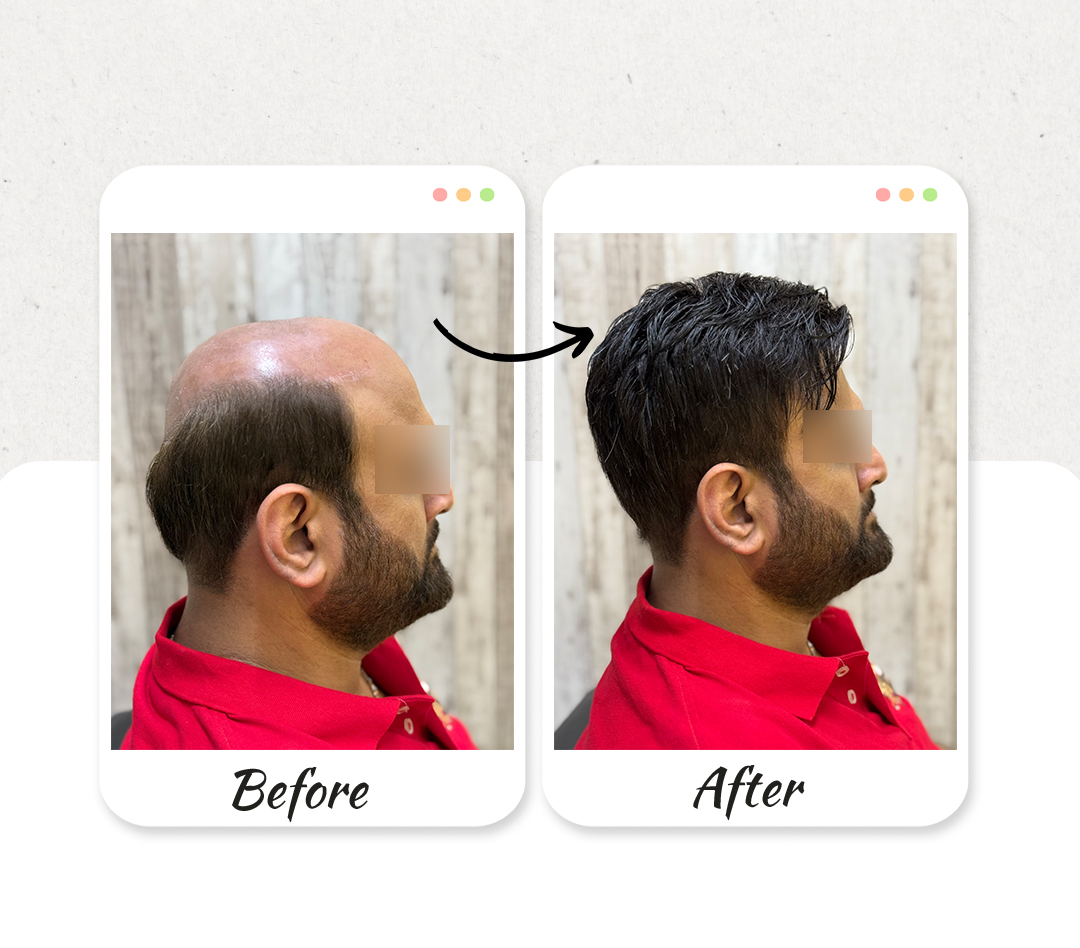
Hair bonding is an attachment method. A custom hair system is fixed to the scalp with a skin-safe bonding adhesive, so it sits flat against the skin and moves like your own hair. You won’t feel clips or see visible fastenings, and a well-done bond gives you a clean, natural-looking hairline.
The appeal is security. Once it’s on, you don’t think about it. You can shower, exercise, ride a bike and get through a humid Mumbai commute without checking your reflection in every shop window.
The trade-off is commitment. Bonded systems are removed and reapplied at the studio, not at home, and they need regular servicing to stay fresh. That’s a fair deal for many people, but you should go in knowing it.
What a Hair Patch Actually Is
A hair patch is a smaller, localised piece designed to cover a specific bald spot or thinning area rather than the whole scalp. Think of a receding hairline, a widening temple or a thinning crown, where the rest of your hair is still doing well.
Because it’s customised to the area, a hair patch blends into your existing hair instead of replacing it. Application is quicker than fitting a full system, and it tends to suit people in the earlier stages of hair loss. If you still have plenty of your own hair and only one zone bothers you, a patch is often all you need.
Here’s Where People Get Confused: Method vs. Piece
Bonding and patches aren’t opposite sides of the same choice. They answer two different questions.
- How much coverage do you need? That determines whether you need a hair patch or a full system.
- How do you want it attached? That decides between hair bonding, tape or clip-ons.
So a hair patch can itself be attached through hair bonding, and a full system can be too. Comparing “bonding versus a patch” is a bit like comparing “glue versus a poster.” One holds; the other is what it holds.
That said, the two terms come up together for a reason. People usually want to know whether a smaller piece with a lighter attachment will do, or whether they need a fuller, more secure solution. That’s the real decision underneath the question.
What Hair Bonding Is Like Day to Day
Since this is where most concerns sit, here’s the practical picture of hair bonding.
It holds firmly. Bonding is generally the most secure of the common attachment options, making it a strong choice for active lifestyles, sweat, and humidity.
It needs maintenance. Expect regular visits for cleaning, removal, reapplication and styling. This is what keeps the hairline crisp and the scalp comfortable.
It’s skin-friendly when done properly. A reputable studio uses hypoallergenic, skin-safe materials. If your skin is sensitive, say so upfront and ask for a patch test before committing.
It’s not a DIY job. Removal takes the right solvent and some patience. Peeling or picking at a bond at home can irritate the scalp and damage the base.
When a Hair Patch Makes More Sense
Sometimes the smarter question isn’t how to attach a system, but whether you need a full one at all. A hair patch is worth considering when:
- Your hair loss is limited to one area, such as the front hairline, temples, or crown.
- The rest of your hair is dense enough to blend with the patch.
- You’d prefer a quicker, lighter application over covering the whole scalp.
- You’re early in your hair loss journey and want a discreet way to restore confidence.
Full coverage is usually the better route when thinning is widespread, when your remaining hair is fine or patchy, or when you want one uniform look across the entire scalp. A patch can only blend with hair that’s there to blend with.
A Quick Comparison
| Hair bonding | Hair patch | |
| What it is | An attachment method | A localised piece covering one area |
| Answers the question | How does it stay on? | How much do I need to cover? |
| Best for | A secure, low-fuss hold | Partial hair loss and early thinning |
| Can they be combined? | Yes, a patch can be bonded | Yes, a patch can be bonded |
| Studio visits | Regular servicing | Regular servicing |
Choosing Between Them
If you’re still deciding, run through these questions.
Where is the hair loss? A single area points to a patch. Widespread thinning points to a fuller system.
How much natural hair do you have to blend with? More existing hair makes a patch easier to hide seamlessly.
How active are you? The more you move and sweat, the more attractive a firmer attachment like hair bonding becomes.
How do you feel about upkeep? Both routes need servicing. If regular studio visits fit your routine, bonding will suit you well. If you’d like something lighter, ask about clip-on or tape options for your piece.
Is your skin sensitive? Tell your technician before applying anything.
Mistakes to Avoid
The most common one is choosing by name instead of by need. People walk in asking for “a patch” or “bonding” without saying what bothers them, and end up with something that doesn’t quite fit. Describing the problem, rather than the product, gets a better result.
Another is treating either option as maintenance-free. Whether it’s a bonded system or a patch, the hair is real hair and needs proper washing, conditioning and gentle handling. With that care, systems like ours last around 6 to 8 months.
And finally, skipping the consultation. A short conversation, and ideally a demo, will tell you more than any amount of reading.
The Short Version
Hair bonding tells you how a piece stays on. A hair patch tells you how much it covers. They aren’t competing options, and they often work together. The right combination depends on where your hair loss is, how much natural hair you have left, and how you live day to day.
At Hair Destination Studio, our team at the Powai and Malad studios offers free consultations and demos, so you can see both options on your own head before deciding. Come in, tell us what’s bothering you, and we’ll help you figure out what will look natural and feel right, with no pressure to choose anything on the day.