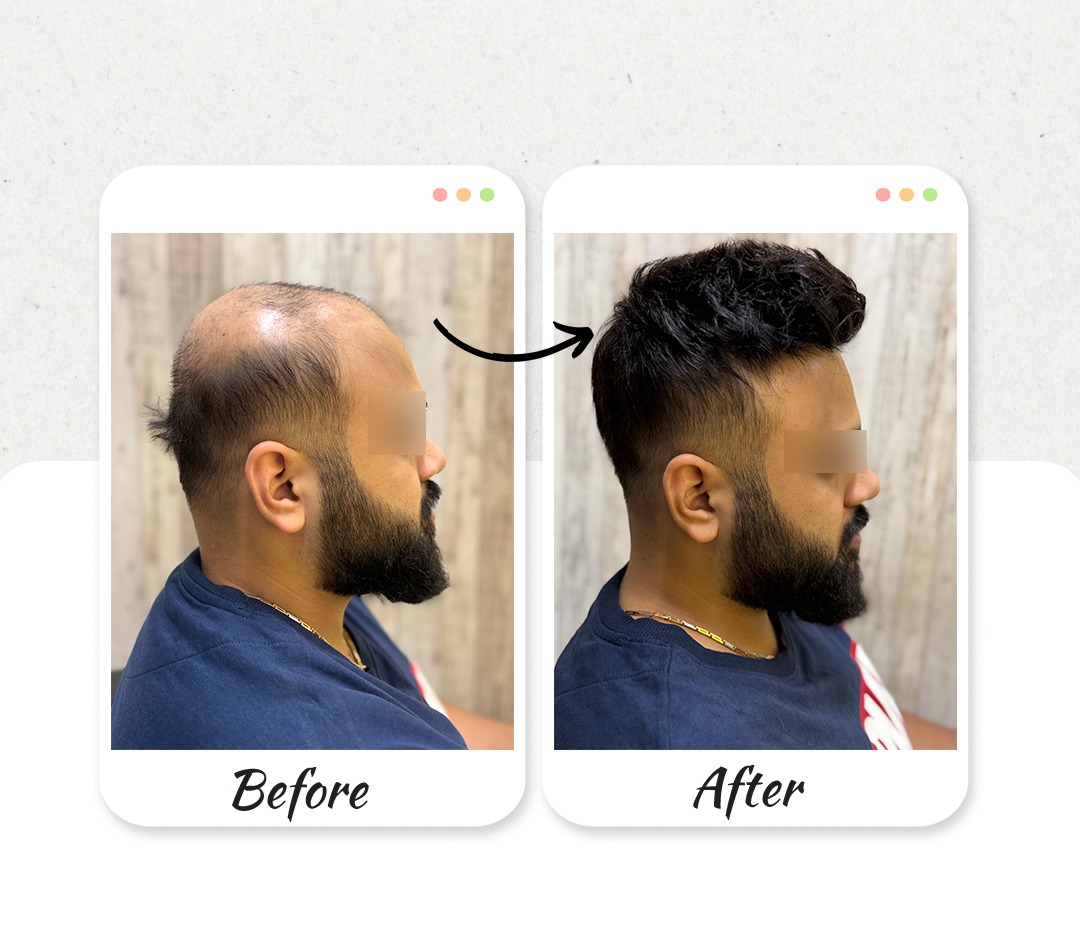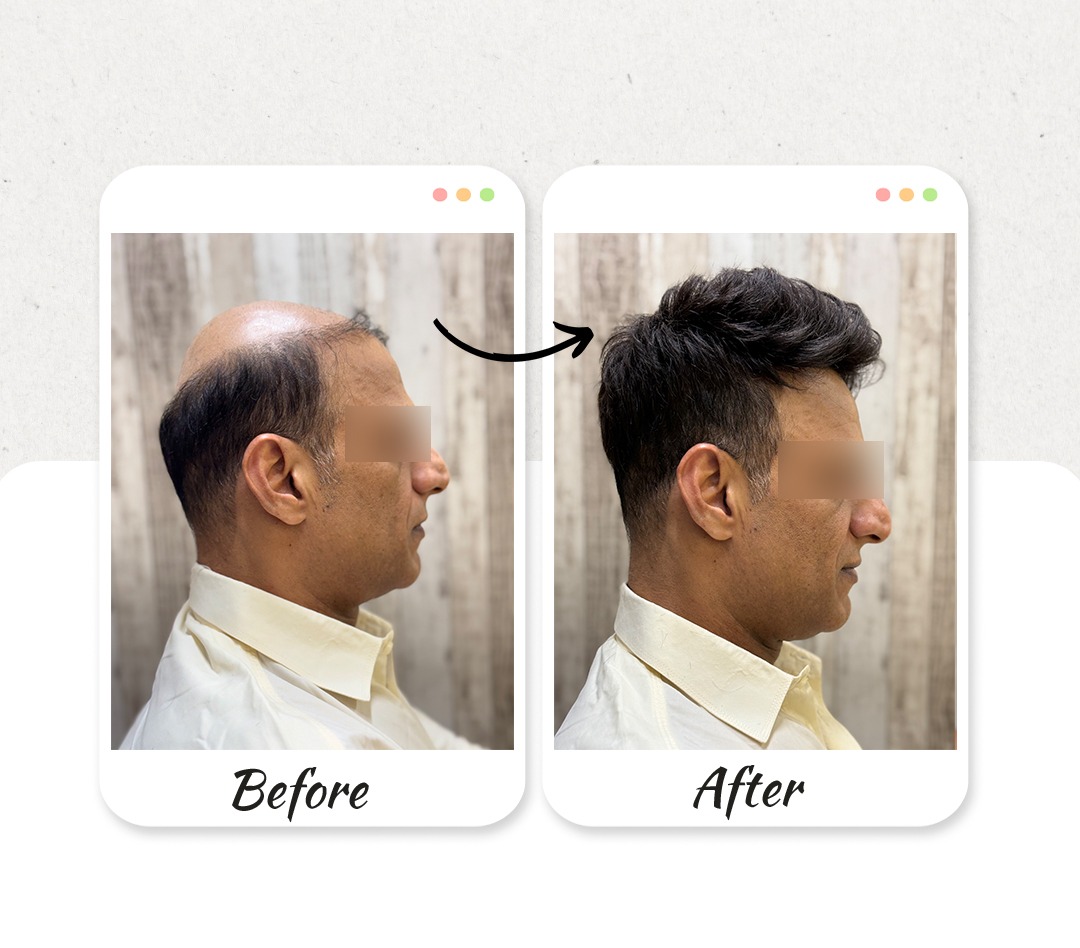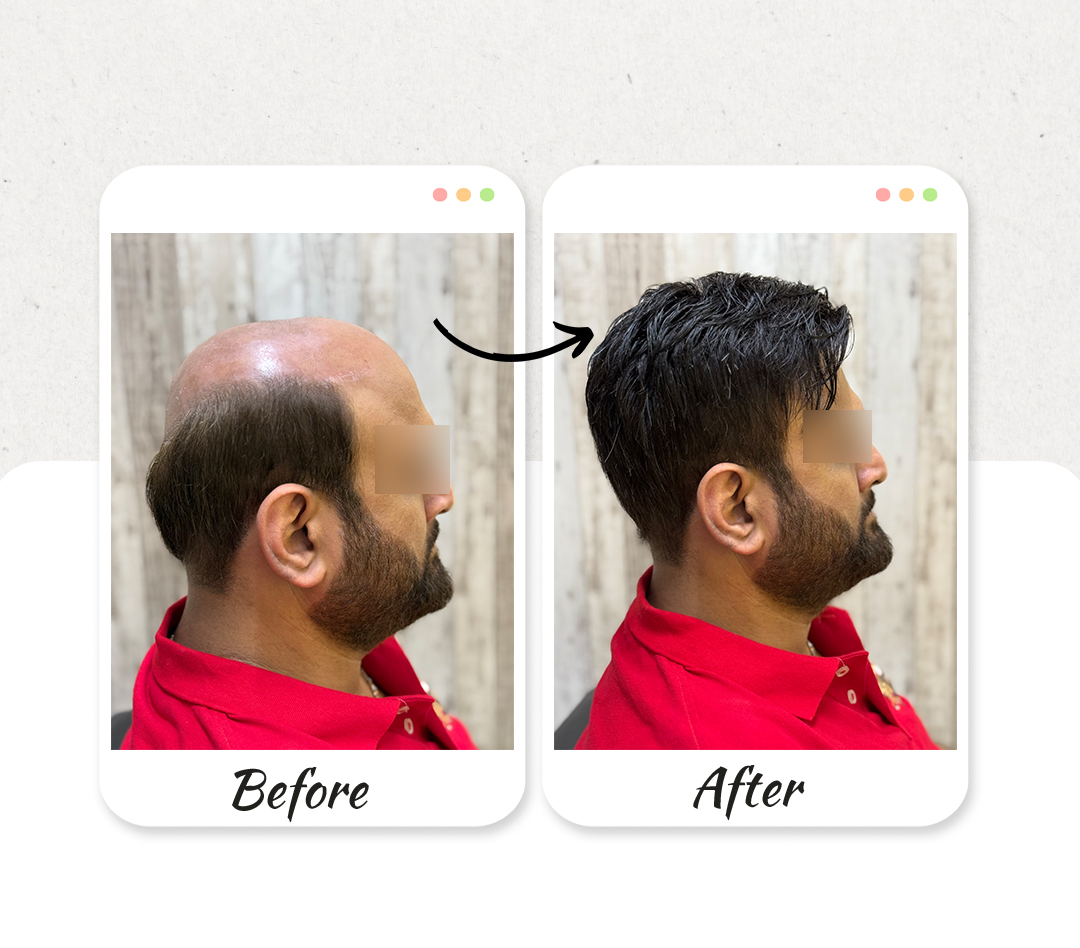
Mumbai’s monsoon doesn’t ask permission before it soaks through everything, and if you’re wearing a hair system, that includes your bonded base, your adhesive, and every carefully styled strand you’ve paid good money for. The season that everyone else welcomes for the relief from heat is quietly the toughest few months of the year for anyone maintaining a non-surgical hair replacement.
We see a spike in walk-ins every June and July at Hair Destination Studio, almost always from clients whose systems started lifting at the edges or losing shape faster than expected. It’s rarely a defect in the hair system itself. It’s the humidity, the sweat, the sudden downpours, and a maintenance routine that wasn’t built for the season. So here’s what actually changes during monsoon, and how to keep your hair system care routine ahead of the weather instead of reacting to it.
Why Monsoon Is Different for a Hair System
A hair system relies on a secure bond between the base material and your scalp, whether that’s tape, adhesive, or clip attachment. That bond is sensitive to moisture and oil, and monsoon brings both in excess. Rising humidity increases scalp sweat production even when you’re not physically exerting yourself, and that constant dampness works against the adhesive holding your system in place.
In our experience, the two biggest monsoon culprits are sudden rain exposure and prolonged indoor humidity from poor ventilation. Both attack the bond from different angles, one through direct water contact, the other through slow moisture buildup you don’t even notice until the edges start lifting.
The Core Rules of Hair System Care During Monsoon
Dry It Properly, Every Time
If your hair system gets caught in rain, don’t just towel it and move on. Pat it dry gently, then let it air dry completely before styling or tying it down. Trapping moisture underneath the base is one of the fastest ways to weaken the bond and invite fungal growth on the scalp beneath it, which is uncomfortable and genuinely avoidable.
Increase Your Cleaning Frequency
What most people don’t realise is that monsoon calls for more frequent washing, not less. The combination of sweat, humidity, and occasional rain exposure means oil and residue build up faster than usual. Stick with a sulfate-free shampoo and clean the base every few days rather than stretching your usual schedule.
Watch the Bonding Schedule Closely
Adhesives and tapes that normally hold for 2-4 weeks may need earlier attention during peak monsoon months. Here’s where things get interesting: the products aren’t inferior; ambient moisture reduces adhesive strength over time. A quick check with your stylist at the two-week mark, rather than waiting for the usual reapplication window, can prevent an embarrassing lift at the worst possible moment.
Protect It Before You Step Out
Carrying a small umbrella or a light cap for sudden showers isn’t overcautious; it’s practical hair system care. A few seconds of unprotected exposure to heavy rain can undo days of careful maintenance, especially if you don’t get a chance to dry it properly afterwards.
Be Mindful of Indoor Humidity Too
Even on rain-free days, Mumbai’s monsoon humidity lingers indoors too. If your space isn’t well ventilated, moisture can linger against the scalp for hours. A quick pass with a cool hairdryer setting, kept at a distance, helps without exposing the hair system to heat damage.
What Not to Do
Avoid relying too heavily on heat styling tools to “fix” a damp system quickly. Excess heat, combined with a base already stressed by humidity, accelerates wear on both the hair fibres and the attachment. Similarly, resist the urge to skip your professional maintenance appointments during monsoon just because stepping out feels inconvenient. This is the season when professional check-ins matter most, since early signs of lifting or thinning are much easier to catch and correct before they become visible.
Choosing the Right System for Monsoon-Heavy Cities
If you’re in Mumbai and getting a new hair system during or ahead of monsoon, it’s worth discussing base material with your stylist rather than defaulting to whatever’s popular. Swiss lace systems, for instance, are breathable and lightweight, which helps manage moisture better than a denser full-cap base in humid conditions, though a full cap remains the stronger choice for more extensive hair loss. At Hair Destination Studio, we factor in the season and your day-to-day environment when customising density, base type, and attachment method, because a system that works beautifully in December can behave very differently by July if it wasn’t built with the climate in mind.
Building a Monsoon-Ready Routine
A realistic monsoon hair system care routine looks something like this: wash every 3-4 days instead of stretching it out, dry thoroughly after any rain exposure, keep bonding appointments slightly earlier than your usual cycle, and carry basic rain protection whenever the forecast looks uncertain. None of this is complicated on its own, but consistency across the entire season is what actually protects your investment.
We’ve found that clients who treat monsoon as a distinct maintenance phase, rather than an extension of their regular routine, get through the season with far fewer surprises and a hair system that still looks sharp come August.
The Bottom Line
Monsoon doesn’t have to be the season your hair system struggles. With slightly adjusted hair system care, closer attention to bonding schedules, and a bit of planning before you step out, your system can hold up just as well through July as it does in drier months.
If you’re heading into monsoon with questions about your current routine, or want a system built with Mumbai’s climate in mind from the start, book a consultation with our team at Hair Destination Studio. We’ll walk you through the right base, attachment, and maintenance plan for the weather you’re actually living in.