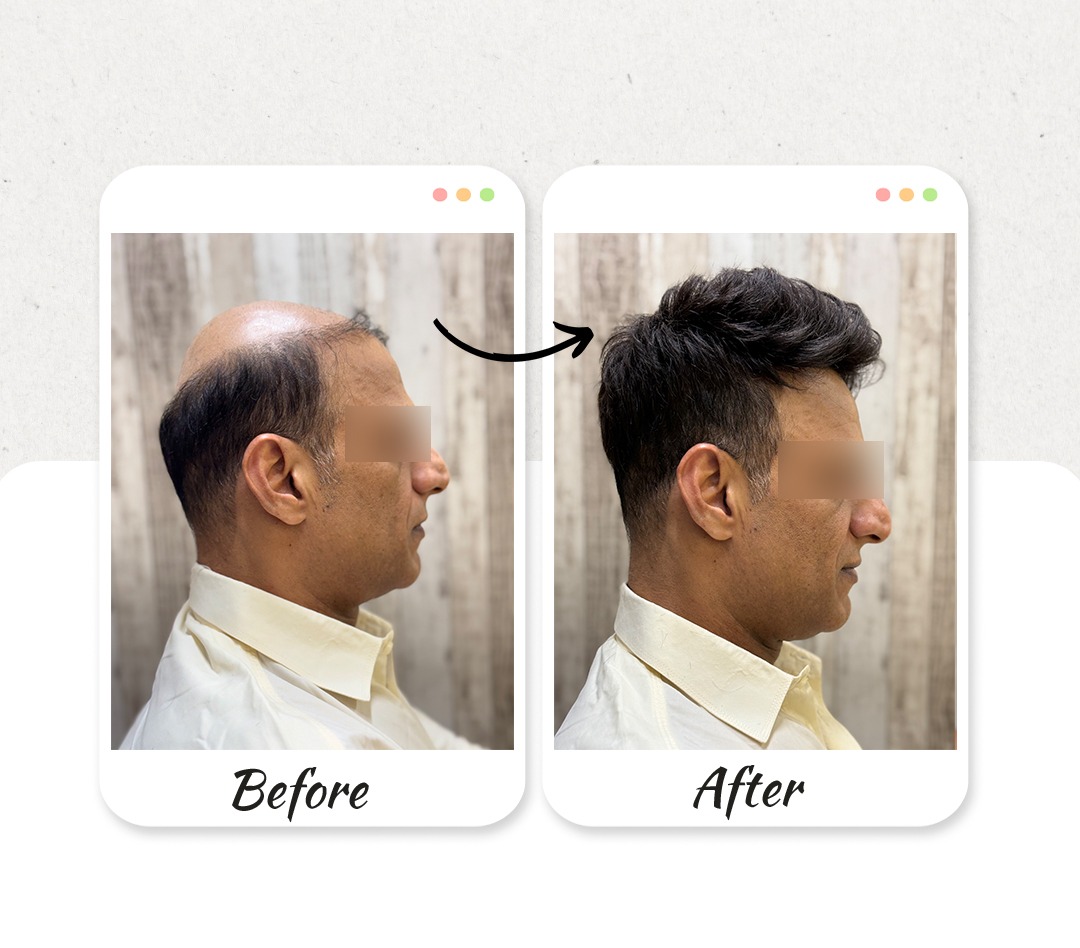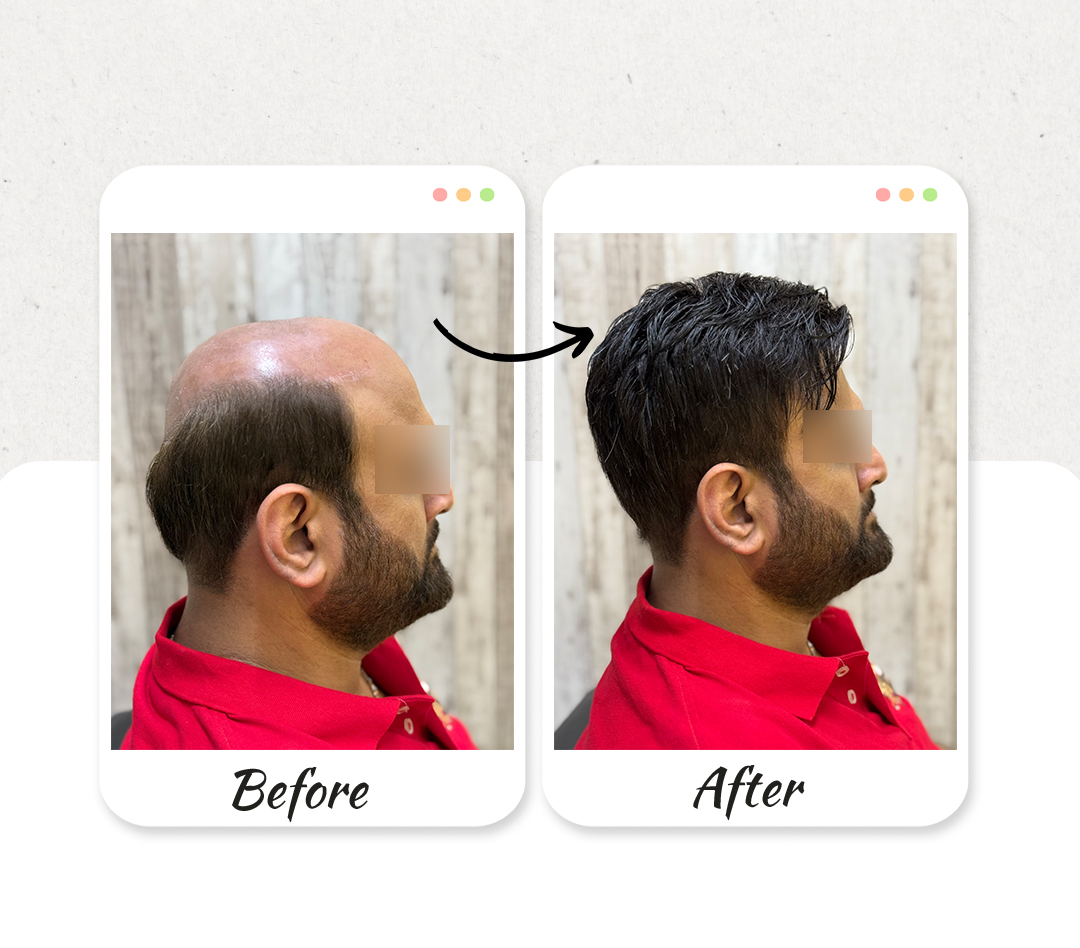
Most people spend a lot of time researching which hair system to get. The base type, the hair density, the hairline design, all of it. What they don’t spend nearly enough time thinking about is what comes after the fitting. Specifically: how long does this last, and when does it need attention?
It’s one of the most common questions we hear at Hair Destination Studio, usually from someone who has just got their system fitted and wants to make sure they’re doing things right. Fair enough. A hair system is an investment in your appearance, your confidence, and your daily comfort. Knowing how to maintain that investment is just as important as choosing the right system in the first place.
So let’s break it down clearly.
Reattachment vs. Replacement: They’re Not the Same Thing
Before anything else, it helps to understand that there are two very different timelines to keep track of: reattachment and replacement. People often confuse the two, and that confusion leads to either neglecting maintenance or panicking unnecessarily.
Reattachment refers to the routine process of lifting the hair system, cleaning the scalp and base, refreshing the adhesive or tape, and reapplying the system. The hair system itself is the same; it just needs to be rebonded to stay secure and comfortable.
Replacement means getting an entirely new hair system because the existing one has reached the end of its usable life, the base has thinned, the hair has degraded, or the system no longer blends naturally.
Both are part of the lifecycle of a hair system. The timelines, however, are quite different.
How Often Should You Reattach Your Hair System?
This depends primarily on what adhesive method you’re using and how active your lifestyle is.
If You’re Using Tape
Tape-based attachment typically needs to be refreshed every 2 to 4 weeks. Mumbai’s humidity is a real factor here; if you’re sweating regularly, swimming, or spending a lot of time outdoors, you’ll probably find yourself closer to the 2-week end of that range. The tape simply doesn’t hold as long under those conditions.
If You’re Using Glue (Bonding Adhesive)
A quality bonding adhesive can last anywhere from 4 to 6 weeks before it ought to be broken down and reapplied. Some people stretch this a little longer, but we’d generally caution against it; letting the bond go too long increases the risk of irritation and makes the eventual removal harder on both the scalp and the base material.
If You’re Using a Clip-Based or Partial System
Clip-based systems are the easiest to self-manage since you can remove and reattach them yourself at home. Many people do this daily or every few days. The advantage is convenience; the trade-off is that clips don’t offer the same seamless, undetectable hold as tape or glue.
What most people don’t realise is that regular reattachment isn’t just about keeping the system in place; it’s also about scalp health. Allowing old adhesive to sit on the scalp for too long can clog follicles, cause buildup, and in some cases lead to irritation. Staying on schedule protects your skin just as much as it protects your system.
How Often Should You Replace Your Hair System Entirely?
Here’s where things get interesting, because the answer isn’t one-size-fits-all.
The lifespan of a hair system depends on three things: the quality of the base material, the quality of the hair, and how well you maintain it.
Synthetic Hair Systems
If your system uses synthetic hair, realistically expect a lifespan of 3 to 6 months. Synthetic hair doesn’t respond well to heat styling, tends to tangle more easily over time, and loses its natural appearance faster. For a long-term solution, synthetic hair is better suited to occasional use rather than daily wear.
Human Hair Systems
This is where quality makes a real difference. A well-maintained human hair system, particularly one made with 100% Remy hair, can last 12 to 24 months with proper care. At Hair Destination Studio, all systems use real human Remy hair precisely for this reason: its longevity, natural texture, and ability to respond to styling the same way your own hair would.
Signs It’s Time for a Replacement
Rather than following a strict calendar, pay attention to what the system is telling you:
- The base has thinned to the point where it’s visible or fragile
- The hair is shedding excessively or has noticeably reduced density
- The system no longer blends convincingly with your natural hair at the hairline
- Repeated washing and styling have left the hair looking dull or rough, and conditioning isn’t reversing it
- You’re finding yourself compensating, always styling in one direction to hide a weak area
When any of these signs appear, it’s time for a proper assessment. Sometimes a good deep-conditioning treatment buys a little more time; other times, the system has simply done its job and needs to be replaced.
What Happens If You Ignore the Timeline?
It’s tempting to push things. Maybe the system still looks okay, or you just don’t have the time to come in for a reattachment. But in our experience, cutting corners on maintenance rarely ends well.
A system that’s overdue for reattachment can start lifting at the edges, which looks unnatural and can catch people’s attention in exactly the way you don’t want it to. Old adhesive that hasn’t been properly cleaned off can cause scalp irritation or buildup under the base. And a system that’s well past its replacement timeline tends to degrade faster once it starts going; what might have been a gradual change becomes quite visible over a short period.
Staying on schedule is genuinely the easiest way to protect your investment and keep your look consistent.
Extending the Life of Your Hair System
A few habits go a long way:
Wash with a sulphate-free shampoo. Harsh shampoos strip the hair of moisture and break down the base faster. Gentle, sulphate-free formulas maintain both the hair quality and the adhesive bond.
Avoid excessive heat. Just because human hair systems can be styled with heat doesn’t mean they should be styled with heat regularly. Keeping heat styling to a minimum preserves the hair’s texture and natural appearance for longer.
Follow a proper removal process. Never pull or force a system off. Use a proper adhesive remover to gently release the bond; this prevents damage to both the base and your scalp.
Come in for professional servicing. Home maintenance is fine for day-to-day care, but professional cleaning, rebonding, and trimming significantly extend your system’s lifespan. Think of it the way you’d think of regular servicing for anything else that matters.
A Quick Reference Guide
| Method | Reattachment Frequency | Typical System Lifespan |
| Tape | Every 2–4 weeks | Depends on hair quality |
| Bonding Glue | Every 4–6 weeks | Depends on hair quality |
| Clips | As needed / daily | Depends on hair quality |
| Synthetic Hair System | – | 3–6 months |
| Human Hair System (Remy) | – | 12–24 months |
The Bottom Line
A hair system isn’t something you fit and forget. It has a rhythm, regular reattachments, periodic professional care, and, eventually, a replacement when the time comes. Getting into that rhythm early makes the whole experience far more effortless and far more rewarding.
If you’re unsure where your current system stands, or you’re considering a hair system for the first time and want to understand exactly what ongoing care entails, our team at Hair Destination Studio is happy to walk you through it. We offer free consultations at our Powai and Malad branches- no pressure, just honest guidance tailored to your situation.
Your hair system should feel like a seamless part of your life. With the right maintenance schedule, it will.