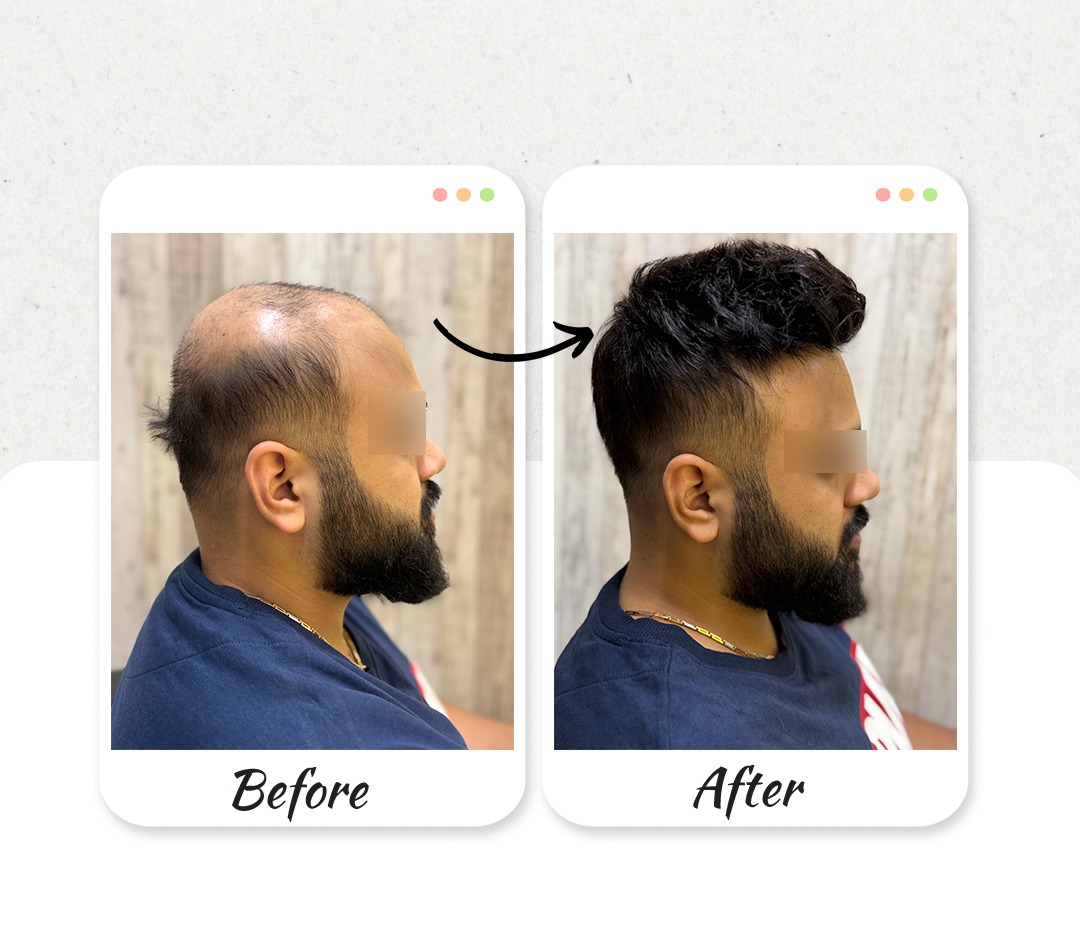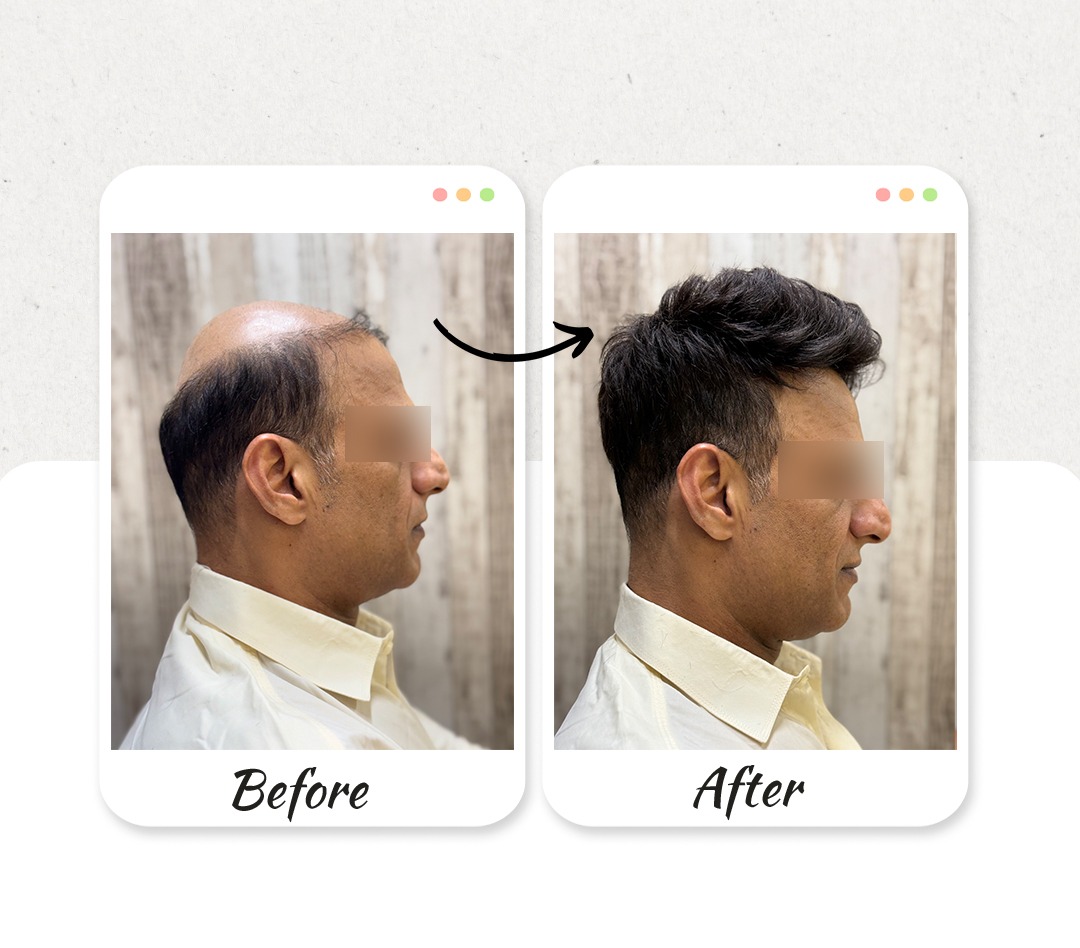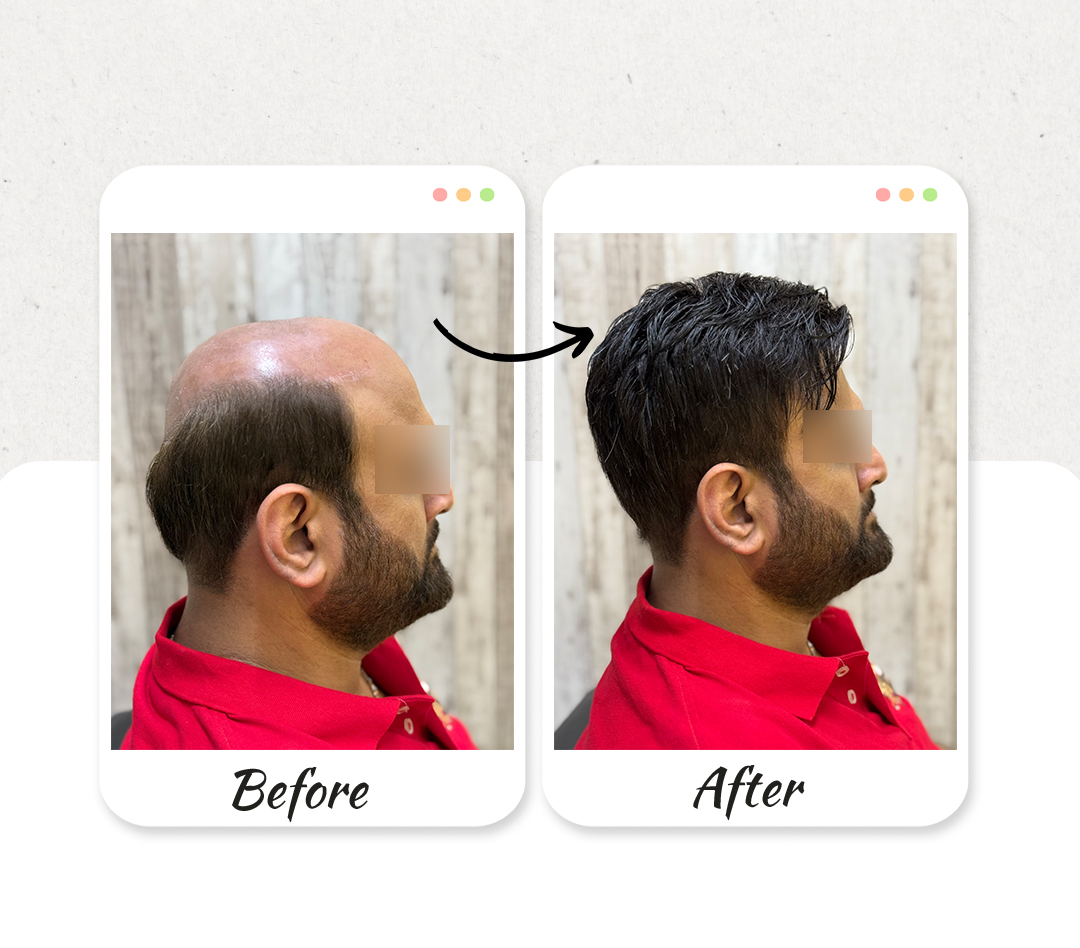
Choosing a hair patch is not just about covering hair loss; it’s about restoring confidence, comfort, and a natural appearance that feels truly you. With so many options available today, many people end up confused or disappointed simply because they didn’t fully understand what defines a high-quality hair patch.
That’s why understanding hair patch quality is absolutely essential before making a decision.
At Hair Destination Studio, clients are often educated first because the right knowledge leads to the right results. Hair patch quality depends mainly on three critical factors:
Hair Density
Hair Type
Base Material
In this detailed guide, we’ll break down each element so you can confidently identify a premium hair patch and avoid common mistakes.
Why Understanding Hair Patch Quality Matters
A hair patch is worn daily. Poor quality can result in:
Artificial appearance
Discomfort or scalp irritation
Short lifespan
Frequent replacements
Loss of confidence
On the other hand, a high-quality hair patch:
Looks completely natural
Feels lightweight and breathable
Blends seamlessly with existing hair
Lasts longer with proper maintenance
That’s why understanding hair patch quality isn’t optional; it’s essential.
The Three Pillars of Hair Patch Quality
When professionals evaluate hair patches, they always focus on:
Density – how much hair is used
Hair Type – where the hair comes from and how it behaves
Base Material – what holds the hair and sits on your scalp
Let’s explore each one in depth.
1. Hair Density: The Foundation of a Natural Look
What Is Hair Density in a Hair Patch?
Hair density refers to the amount of hair implanted per square inch of the hair patch base. It determines how full or light the hair patch looks.
Density is one of the first things people notice, and one of the easiest ways to spot a poor-quality hair patch.
Common Hair Patch Density Levels
Light Density – Subtle, natural, ideal for older individuals
Medium Density – Balanced, realistic, suitable for most people
Heavy Density – Very full, often looks unnatural if overdone
The biggest misconception is that higher density always looks better. In reality, over-dense hair patches look fake, especially under bright light.
Why Density Must Be Customised
Understanding hair patch quality means understanding that density must match:
Age
Face structure
Existing hair thickness
Hairline design
At Hair Destination Studio, density is carefully customised to avoid the “helmet look” and ensure a believable, age-appropriate appearance.
Signs of Poor Density Quality
Hair looks unnaturally thick
No visible scalp effect near the hairline
Hair doesn’t move naturally
Patch stands out from existing hair
A quality hair patch always mimics natural hair growth patterns.
2. Hair Type: The Heart of Realism
Why Hair Type Is Crucial
Hair type determines:
Texture and feel
Shine level
Styling flexibility
Longevity of the hair patch
If the hair itself isn’t high quality, no amount of styling can make it look natural.
Types of Hair Used in Hair Patches
1. Synthetic Hair
Artificial fibres
Fixed style
Shiny, unnatural look
Short lifespan
Synthetic hair patches are low-cost but easily detectable and less durable.
2. Human Hair
This is the gold standard for assessing hair patch quality.
Benefits:
Natural look and movement
Can be styled, washed, and cut
Blends seamlessly with natural hair
3. Remy Human Hair (Premium Choice)
Remy hair maintains the natural cuticle direction, which:
Prevents tangling
Increases lifespan
Enhances shine and softness
At Hair Destination Studio, premium human hair is preferred for the most realistic and long-lasting results.
Matching Hair Texture Matters
Hair patches must match your:
Straight, wavy, or curly texture
Hair thickness
Natural fall direction
Texture mismatch is one of the most obvious signs of a low-quality hair patch.
Hair Colour & Quality
Quality hair patches also allow:
Accurate colour matching
Natural highlights and lowlights
Blending with greying hair if needed
Cheap hair often fades quickly or looks flat under sunlight.
3. Base Material: Comfort Meets Durability
What Is the Base Material?
The base is the foundation that:
Holds the hair
Sits on your scalp
Determines comfort, breathability, and realism
Understanding hair patch quality requires careful attention to the base material.
Types of Hair Patch Base Materials
1. Skin Base (Polyurethane Base)
Ultra-thin and realistic
Creates a natural scalp illusion
Ideal for natural hairlines
Best for people who prioritise appearance.
2. Lace Base
Highly breathable
Lightweight
Ideal for hot climates and active lifestyles
Often preferred for long daily wear.
3. Mono Base
Strong and durable
Good balance of comfort and longevity
Slightly thicker but long-lasting
Each base offers advantages based on lifestyle and scalp sensitivity.
Choosing the Right Base Material
Hair Destination Studio helps clients choose base materials based on:
Scalp condition
Sweat levels
Climate
Lifestyle and profession
The right base ensures comfort all day without irritation or itching.
Signs of Poor Base Quality
Excessive thickness
Lack of breathability
Visible edges
Scalp discomfort
A premium base should feel almost invisible on the scalp.
How Density, Hair Type & Base Work Together
True understanding of hair patch quality comes from seeing how these three elements work as a system.
A perfect hair patch has:
Density that matches age and face
Hair type that blends naturally
Base material that feels comfortable and secure
Even a single weak element can compromise the overall look.
Common Mistakes People Make While Choosing Hair Patches
Avoid these mistakes:
Choosing based on price alone
Ignoring density customisation
Settling for synthetic hair
Not considering lifestyle needs
Skipping professional consultation
Hair patches are an investment; quality always pays off in the long term.
Maintenance & Quality Go Hand in Hand
Even the best hair patch needs proper care.
Quality hair patches:
Respond well to gentle shampoos
Hold style better
Last longer with regular servicing
Hair Destination Studio provides maintenance guidance to help clients preserve quality over time.
How to Identify a High-Quality Hair Patch Instantly
Look for:
Natural movement
Soft, non-shiny hair
Realistic hairline
Comfortable base
Seamless blending
If it looks like real hair up close, it’s probably good quality.
Why Professional Expertise Matters
Understanding hair patch quality is easier with expert guidance.
At Hair Destination Studio:
Each patch is custom-designed
Density is tailored, not guessed
Hair type is carefully selected
Base material is lifestyle-matched
This professional approach eliminates trial and error and ensures satisfaction.
Who Benefits Most from High-Quality Hair Patches?
Men with partial or full baldness
Women with thinning hair
Individuals with alopecia
People with medical hair loss
Quality matters even more when hair patches are worn daily.
Myths About Hair Patch Quality
“All hair patches look fake”
Only poor-quality or non-customised ones do.
“Thicker hair always looks better”
Natural density matters more than volume.
“Synthetic hair is good enough”
Not for long-term, natural-looking results.
The Long-Term Value of Choosing Quality
High-quality hair patches:
Last longer
Look better
Require fewer replacements
Boost confidence consistently
Cheap alternatives often cost more over time due to frequent replacements.
Final Thoughts: Understanding Hair Patch Quality Before You Choose
Choosing a hair patch without understanding quality is like buying shoes without checking size; you’ll regret it later.
Once you truly grasp understanding hair patch quality, focusing on:
- Proper density
- Premium hair type
- Suitable base material
You unlock results that look natural, feel comfortable, and restore confidence.
And when this journey is guided by experts like Hair Destination Studio, the difference is visible, not just to others, but to you every time you look in the mirror.
Because great hair replacement isn’t about hiding hair loss, it’s about wearing confidence naturally.