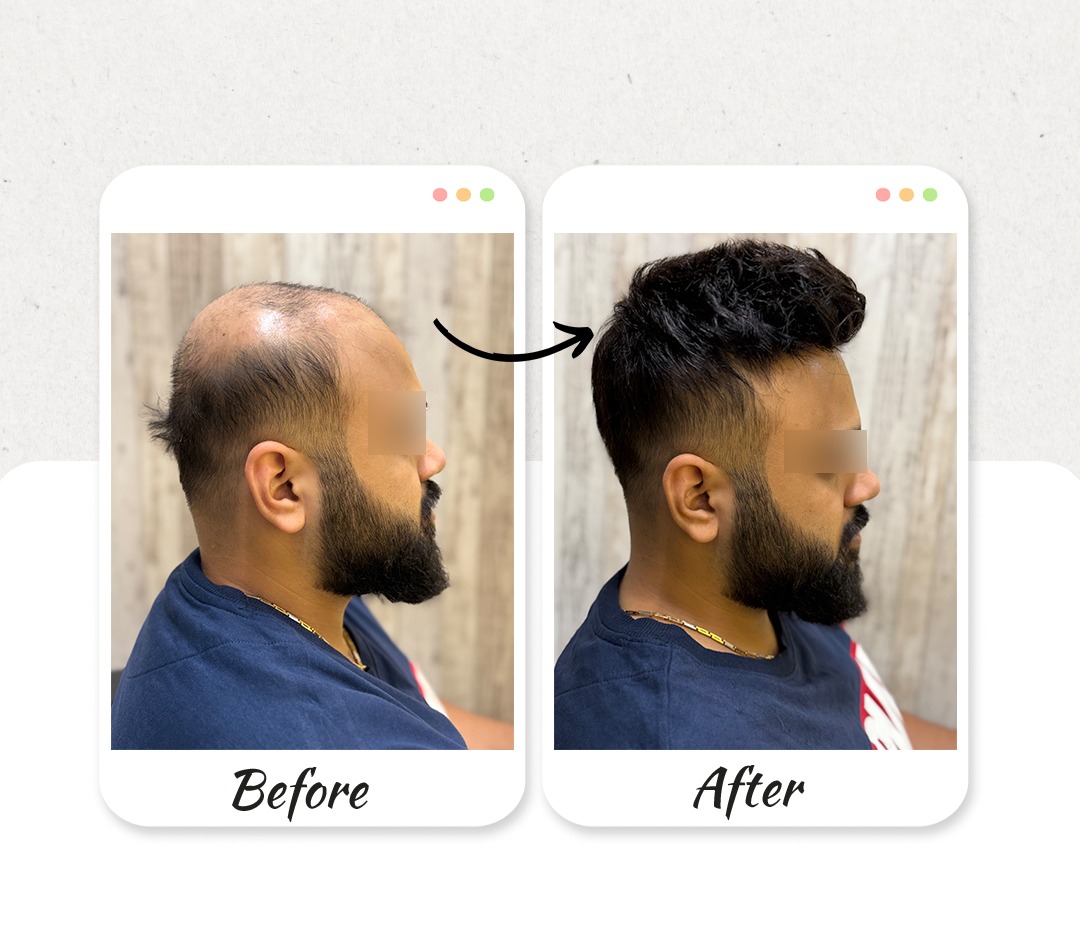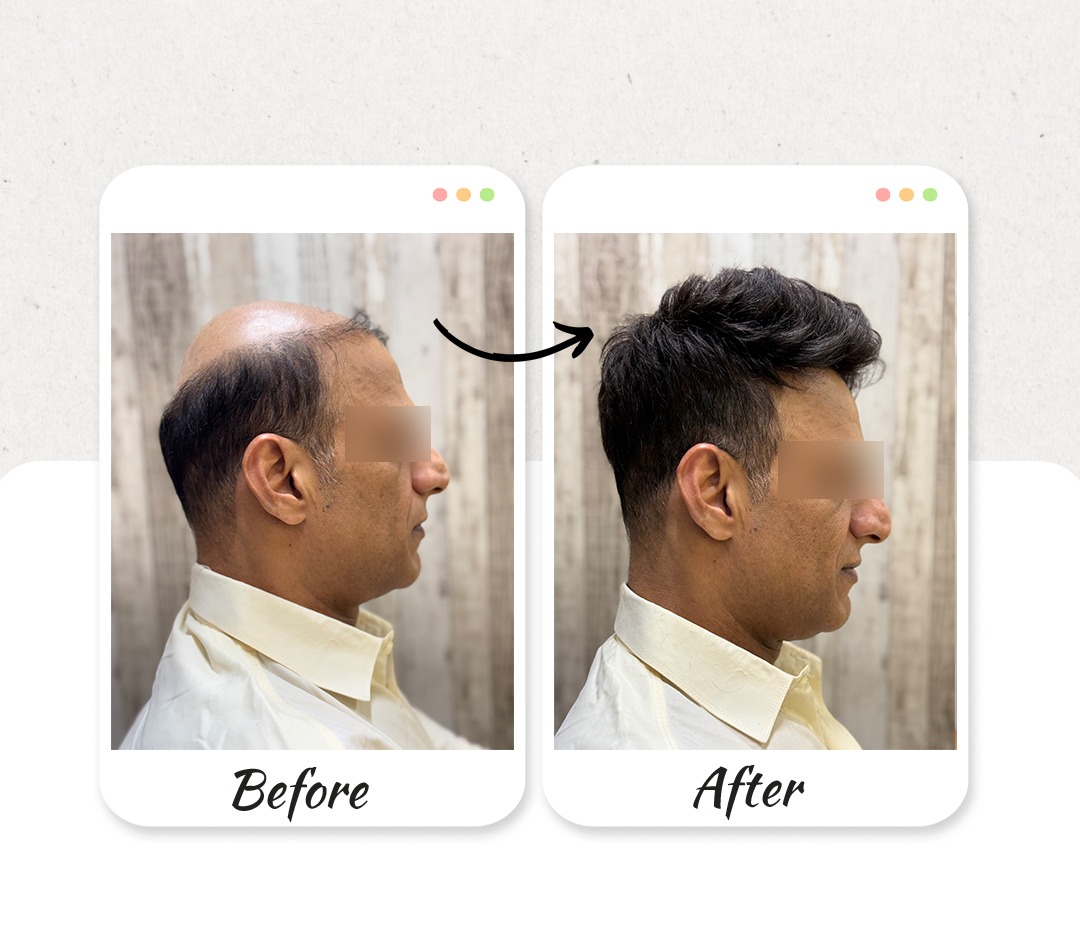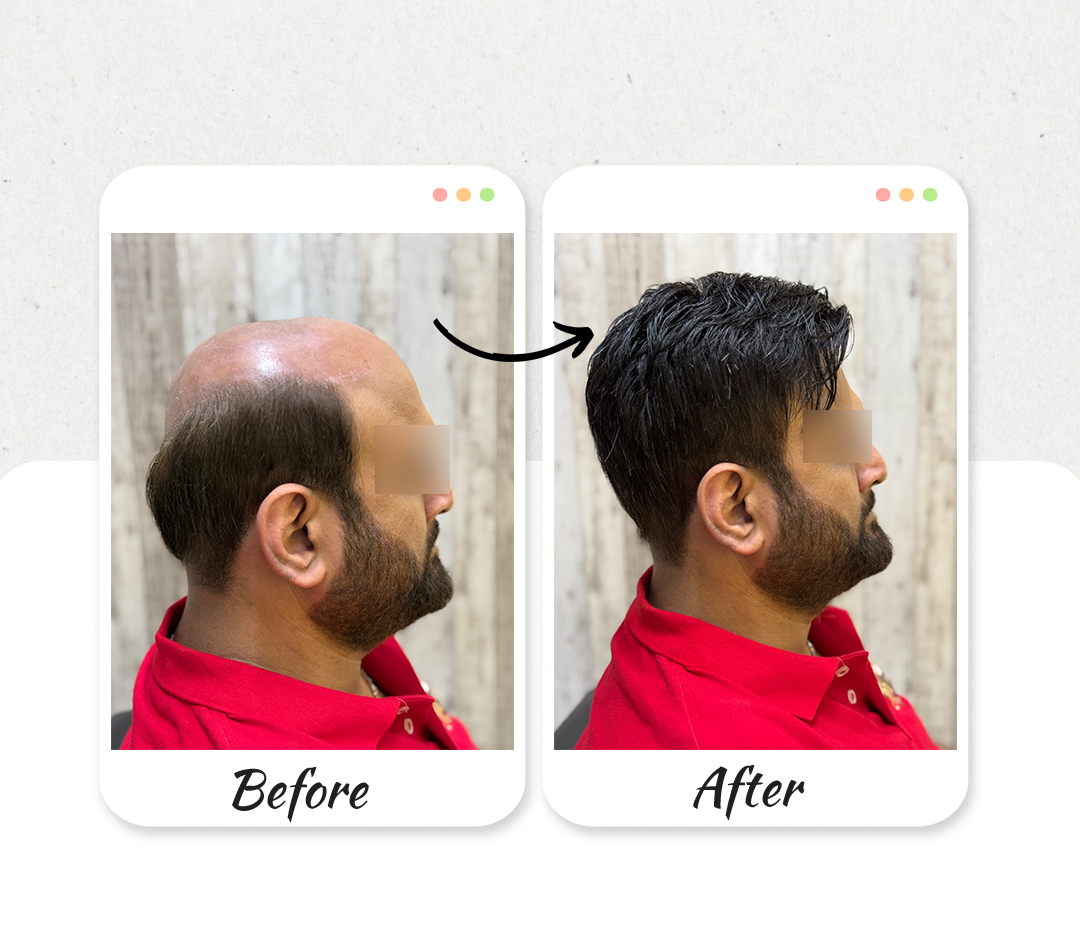
Ask any man who trains five mornings a week what he’s most afraid of when he thinks about a hair patch, and the answer is rarely “will it look fake?” It’s “what happens when I’m on the last set of squats, and the sweat starts running?” The second fear, usually saved for when no one’s listening, is the swimming pool. For most active men, the real question isn’t whether a patch looks good. It’s whether it can keep up with them. The honest answer is yes, with the right setup and a few habits. A hair patch for an active lifestyle is entirely possible, and swimming with a hair patch is more manageable than most people assume.
At Hair Destination Studio, many of our Powai and Malad clients are runners, gym regulars, cricketers, cyclists and weekend swimmers. They didn’t give up their routines when they got a patch, and they shouldn’t have to. This guide covers what we’ve learned from fitting and servicing patches on active people, including what works, what doesn’t and what to avoid.
The Short Answer
Yes, you can gym, swim and sweat with a hair patch. But “yes” comes with conditions, and the conditions matter.
Everything depends on three things: the attachment method you choose, how you look after the patch before and after activity, and how honest you are with your stylist about what your week really involves. A patch fitted for an office routine and a patch fitted for a man who swims three times a week are not the same job.
Start With the Right Attachment Method
If you’re active, the way a patch stays on your head is the most important decision you’ll make.
Bonding is generally the most dependable for people who move a lot. It’s built to hold through sweat, showers and long days, and for many of our active clients it’s the default recommendation. It does need regular servicing to keep the scalp clean and the hold reliable.
Tape can work well but asks more of you. Sweat and scalp oil can loosen the hold, so heavy training days may mean more frequent changes.
Clip-ons are removable, which many people like for workouts. You can take the patch off before a session, though that depends on being comfortable training without it, and on clips being positioned well so they don’t shift during movement.
None of these is automatically right. If your weeks include intense workouts or regular swimming, tell us at the consultation so we can match the method to your routine and not the other way round.
Gym Training: What Actually Happens
Sweat is normal and manageable
Sweating during a workout won’t ruin a patch. What matters is what happens afterwards. Salt and moisture left on the scalp can cause trouble over time, such as loosened attachments, itching, and a stale smell.
Before you train
- Keep the scalp clean and free of heavy oils or sticky products.
- Skip tight headbands across the front hairline. Friction there can lift the edge.
- Tie your hair back only if it’s long enough, and you’ve been shown how to do it gently.
During your session
- Pat sweat with a clean towel instead of rubbing. Use light, pressing motions near the hairline.
- Avoid pulling at the patch with sweaty hands.
- Be careful with equipment. Leaning your head on a bench pad, resting it against a wall during stretches or wearing a tight cap can all create friction.
After you train
- Wipe down gently, then let the scalp dry properly before heading out.
- Shower as usual, but don’t scrub the patch roughly. Use lukewarm water and a gentle touch.
- Follow the cleaning routine you’ve been given, especially after heavy sessions.
Heavy sweaters, or anyone training hard five or six days a week, will find that they need to clean more often than someone who sits at a desk. That’s not a flaw. It just means your maintenance plan should reflect your life.
Swimming With a Hair Patch: The Real Rules
This is the area where people have the most doubts and the most outdated information. Swimming with a hair patch is possible for many people, but it needs more planning than a gym session.
Why water matters
Pool water contains chlorine, which can dry out hair and wear down attachments over time. Sea water brings salt and sand, which can be tough on both the hair and the base. Neither is a deal-breaker, but both need respect.
Before you get in
- Talk to your stylist first. What’s safe depends on your attachment method, how recently the patch was fitted or serviced, and your hair’s condition.
- Wet the patch with fresh water before swimming. Hair that’s already saturated with clean water absorbs less chlorine or salt. It’s the same trick swimmers use on their natural hair.
- Consider a well-fitting swim cap. It reduces exposure and keeps things in place, but put it on gently and remove it slowly.
While you swim
- Avoid diving or sudden head movements that create strong water pressure at the hairline.
- Skip hot tubs, steam rooms and saunas unless your stylist has said otherwise. Heat combined with moisture can be tough on attachments.
- Don’t let friends splash or dunk you for fun. It sounds obvious, but it happens.
After you swim
This is the part that matters most. Rinse the patch thoroughly with fresh, lukewarm water as soon as you can, then follow with a proper wash using products made for hair systems. Leaving chlorine or salt to dry in the hair is how a patch gets dull, tangled and short-lived.
Many of our clients also find that swimming means scheduling their servicing a little more often, and that’s fine. It’s part of the cost of an active life, and it’s still far easier than giving up the sport.
A note on beach holidays
Planning a trip to Goa, the Maldives or just a day at Juhu? Tell us beforehand. We can suggest a routine for the trip and, in some cases, adjust the plan so you’re covered for the days that matter.
Running, Cycling and Outdoor Sport
Running and cycling mean sustained sweat, heat and sometimes a helmet. A few habits make a real difference.
Runners. A lightweight, breathable cap or headband that doesn’t squeeze the hairline can keep sweat out of your eyes. Wipe gently, avoid yanking the cap off, and clean after longer sessions.
Cyclists and two-wheeler riders. A helmet is non-negotiable, but it traps heat. A thin, clean cotton liner helps absorb moisture. Put the helmet on and take it off with both hands, and avoid dragging it across the front of your head.
Cricket, football and team sports. Sun, sweat, caps and contact. Choose a cap that fits comfortably and doesn’t drag. If your sport involves head contact or heavy physical play, speak to us first so we can advise on the safest approach.
Mumbai monsoon runs. Rain itself isn’t the issue. Staying damp is. Dry the patch and scalp thoroughly after getting wet, and give yourself extra time for cleaning in July and August.
Yoga, Pilates and Floor Exercises
Inversions, floor work and long holds in poses where your head touches the ground can create friction and pressure at the crown and front hairline. A thin, clean mat towel under your head helps. Avoid rolling your head against the mat, and keep sessions gentle on the patch if the front edge is new.
Your Post-Workout Routine in Five Steps
Here’s a simple routine that works for most active clients, adjusted by your stylist to your method.
- Blot, don’t rub. Pat away sweat with a clean towel.
- Let the scalp breathe. Give it a few minutes to cool and dry before covering it again.
- Wash on schedule. Use the products and frequency recommended for your patch.
- Dry gently. Press with a soft towel and use a cool setting if you use a dryer.
- Keep it clean overnight. Don’t sleep on a damp patch, and regularly use a fresh, smooth pillowcase.
What to Avoid If You’re Active
- Heavy oils, gels and waxes. They build up with sweat and make cleaning harder.
- Rough towelling and aggressive scrubbing. They create friction and tangling.
- Skipping service visits because “the patch seems fine.” Sweat and water build-up often can’t be seen until it becomes a problem.
- Assuming a method that worked for a friend will work for you. Sweat levels, scalp type and activity all differ.
- Training through scalp irritation. If something feels itchy, sore or off, get it checked. Don’t push through.
When to Tell Us Your Routine Has Changed
Maybe you’ve taken up swimming, started marathon training, or joined a new gym. Maybe you’re about to head on a trek or a beach trip. Any of these can change what your patch needs. It’s far easier to adjust a plan before a change than after a problem.
Signs it’s time for a check-in include edges lifting, persistent itching, unusual dryness, a smell that doesn’t clear after cleaning, or a patch that feels looser than usual. Let us look at it early. Small issues are quick to fix.
Questions Active Clients Ask Us Most
Will the patch fall off if I sweat a lot? A well-fitted, properly maintained patch is designed to cope with normal sweating. How well it does depends on your attachment method and how consistently you look after it.
Can I wear my patch in the gym every day? Many clients do. The key is cleaning and servicing on a schedule that matches your training.
How soon after getting a patch can I start swimming? It depends on your method and how well it fits. Ask your stylist before your first swim, not after.
Do I have to give up anything? Usually no. You may need to adjust certain things, such as rinsing straight after the pool, but you don’t have to give up the activity.
Final Thoughts: Your Routine Shouldn’t Shrink
A hair patch should make life easier, not smaller. If you’ve avoided the pool, skipped a workout or turned down a trek because of what your hair might do, that’s a sign something in the plan needs adjusting. It’s not a sign you should be less active.
A hair patch for active lifestyle goals comes down to the right attachment method, a consistent routine and a stylist who knows how you actually spend your week. Swimming with a hair patch, training hard and sweating through a Mumbai summer can all fit into that, once the plan is built around you.
If you train, swim or play regularly and you’re curious about a patch, or already wear one and aren’t sure it’s keeping up, visit our Powai or Malad studio for a free consultation. Tell us about your week, and we’ll show you exactly what’s possible.