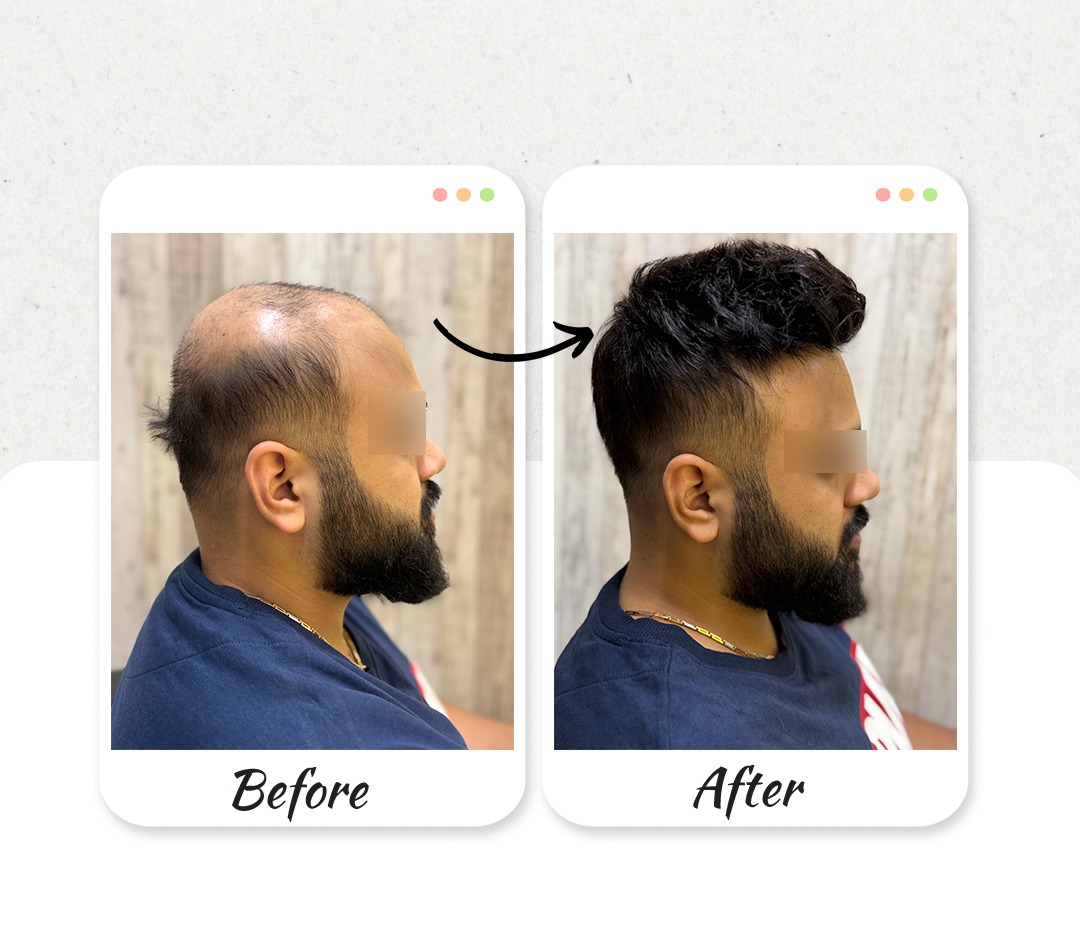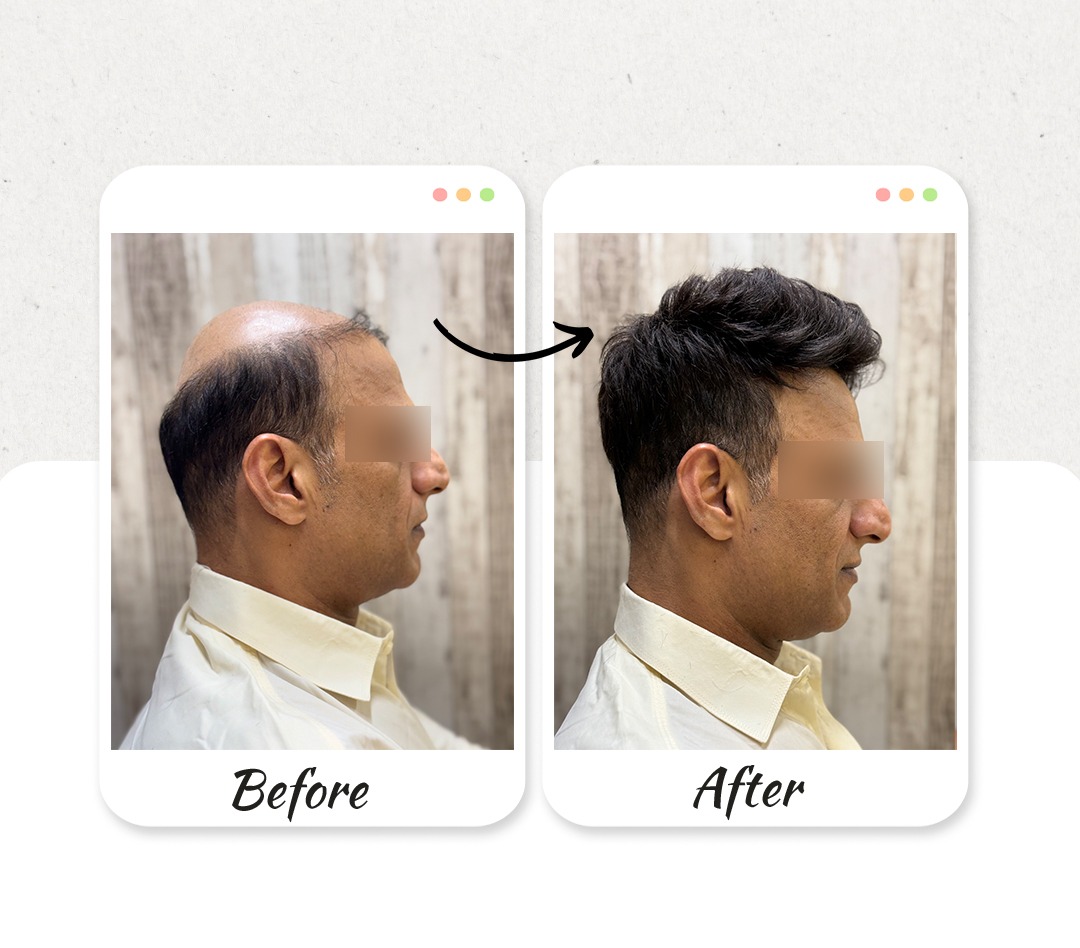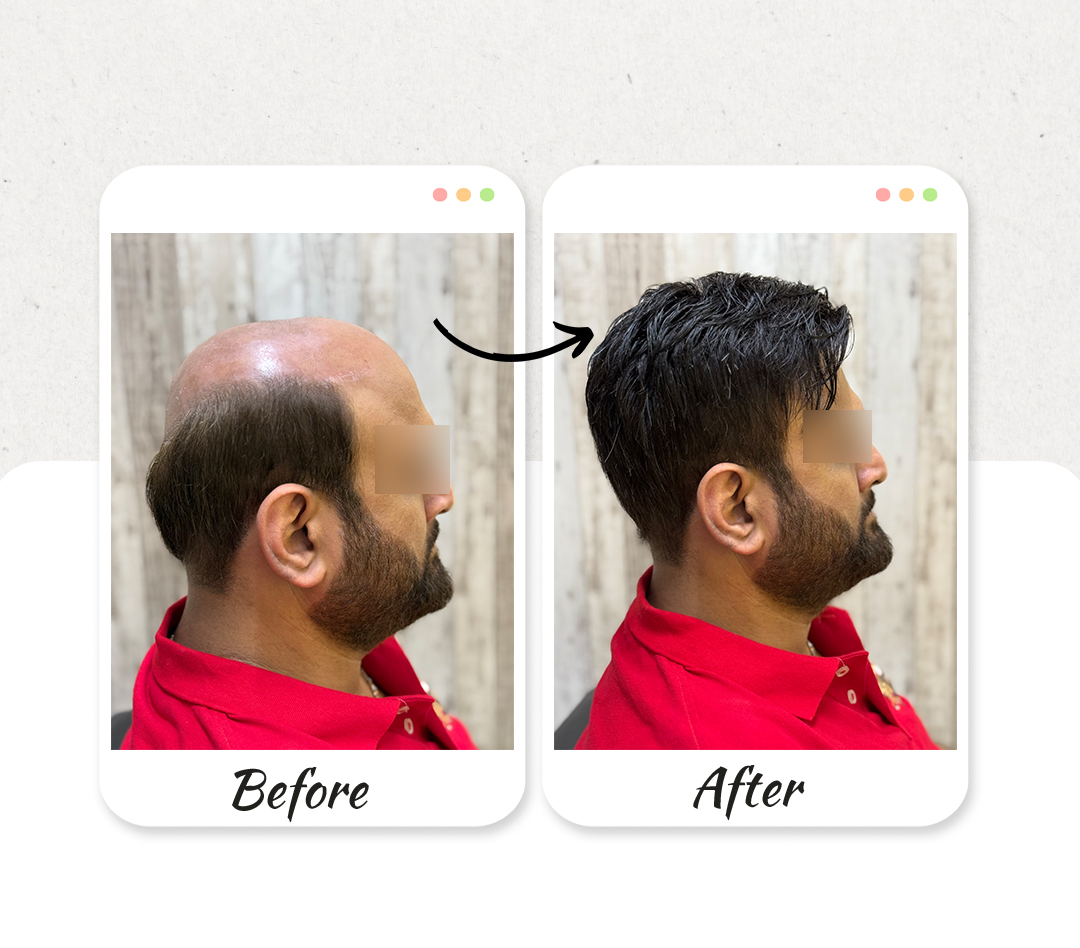
Nobody really talks about the day after.
There’s plenty of content out there about the procedure itself, what a hair replacement system is, how it’s fitted, and what it looks like. But the period that follows, those first few days and weeks of actually living with a new system, gets far less attention. And for most people, that’s the part they’re most uncertain about.
What do you do when you wake up the next morning? Can you shower normally? What happens at the gym? Will people notice? How do you actually take care of it? These are the questions people sit with quietly, sometimes feeling a little embarrassed to ask, as though they should already know the answers.
This piece is specifically for that period. A practical, honest guide to what life with a hair replacement system actually looks like, from the first morning to the first month and beyond.
The First 24 to 48 Hours: Let Things Settle
The first thing to understand after getting a hair system fitted is that the bond needs time to fully cure and set. Most adhesives used in professional hair bonding reach their full strength within 24 to 48 hours of application. During this initial window, the system is secure, but it’s also at its most sensitive to disruption.
What this means practically: avoid washing your hair, avoid heavy sweating, and avoid any activity that generates significant moisture or friction at the scalp for the first day or two. No intense workouts, no long showers, no swimming. It’s a brief adjustment that pays dividends in the long run by ensuring the bond sets cleanly and holds as intended.
Beyond the physical side, the first day or two also come with a psychological adjustment. The system is going to feel different from what you’re used to. That’s completely normal. The weight distribution is slightly different. The sensation at the scalp is new. Your hands might instinctively reach up to touch it more than usual. Give yourself a day or two before forming any strong opinions about how it feels. Almost universally, the initial strangeness fades quickly and wearing the system becomes second nature faster than most people expect.
The First Week: Building the Right Routine
By the end of the first week, most clients have settled into the system comfortably. The novelty has worn off, the bond has fully set, and the practical realities of day-to-day non-surgical hair replacement begin to take shape.
Hair system care in the first week focuses on establishing habits that protect both the system and the scalp going forward. The essentials:
Washing: Once the initial 48-hour window has passed, you can wash your hair, but with more deliberate care than you might have used previously. Lukewarm water only. A sulphate-free shampoo that won’t break down the adhesive or strip moisture from the hair. Gentle application, no aggressive scrubbing at the base. The goal is to clean the hair and scalp without creating unnecessary stress on the bond or the base material.
Drying: Pat dry rather than rubbing. Microfibre towels are ideal. Allow the system to air-dry as much as possible, and if using a blow dryer, keep it on a low-heat setting and keep it moving. Concentrated heat on one area, particularly near the base, can weaken adhesive bonds and affect the base material over time.
Sleeping: Most people find they need very little adjustment for sleeping. Sleeping on a satin or silk pillowcase reduces friction on hair and keeps skin looking smoother in the morning. If your system has a lace base, being mindful of sleeping on the same side repeatedly can help the base maintain its shape evenly.
The First Month: What Normal Actually Looks Like
By the end of the first month, the hair replacement maintenance rhythm becomes genuinely habitual. It stops feeling like a routine you’re consciously following and starts feeling like simply looking after your hair, which, in every meaningful sense, it is.
A few things to expect and plan for during the first month:
Re-bonding: Depending on your scalp type, activity level, and the adhesive used during fitting, most clients need their first re-bonding session somewhere between three and five weeks after the initial fitting. This is entirely normal and expected; it’s not a sign that anything went wrong. Scalp oils, daily movement, and the natural breakdown of adhesive over time all contribute to the bond gradually loosening at the edges.
Staying on schedule with re-bonding is one of the single most important aspects of hair patch maintenance. A bond that’s allowed to lift significantly before being addressed can allow moisture and buildup beneath the system, which affects both the base material and scalp health. Think of re-bonding visits the way you’d think of a regular service appointment, not optional, and more expensive to skip than to keep.
Scalp care: The scalp beneath a hair system still needs attention. During rebonding visits, the system is removed, the scalp is cleaned, and the area is assessed before it is reapplied. Between visits, it’s important to pay attention to any unusual itching or sensitivity and communicate it to your studio. A well-maintained scalp is fundamental to how comfortably and effectively a hair system can be worn over the long term.
Styling: One of the genuine pleasures of a quality non-surgical hair replacement system, particularly one built with 100% human Remy hair, is that it can be styled just like natural hair. You can part it, comb it, apply product to it, and adjust it throughout the day. The implant-direction customisation Hair Destination Studio uses means the hair moves and settles like real hair, giving you the freedom to style it naturally rather than in a fixed direction.
Common Questions People Have But Rarely Ask Out Loud
Can people tell? With a professionally fitted, properly customised system, the answer is almost always no. The clients who are most visible about their hair systems are the ones who want to be. The ones who don’t are indistinguishable from someone with natural hair, at normal conversational distance, in photographs, and in professional settings.
What about swimming and the gym? Both are perfectly manageable with a properly bonded system. Chlorinated water and heavy sweating do put more stress on the bond than a quiet office day, so activity level is factored into how frequently re-bonding is recommended. Rinsing the system with clean water after swimming and following up with a gentle wash is good practice.
What if it feels uncomfortable? Discomfort in the first few days is not uncommon as the scalp adjusts. Genuine, persistent discomfort beyond the first week is worth communicating to your studio immediately. In most cases, it indicates a minor fitting adjustment is needed, something that’s straightforward to address and far better to raise early than to tolerate.
Can I colour or cut the system? Yes to both. Because the systems at Hair Destination Studio use natural human hair, they respond to cutting and colouring the way natural hair does. Any cutting or significant styling should be done professionally, particularly in the early stages, to ensure the blend between the system and your natural hair remains clean and seamless.
The Longer View: What Consistent Care Produces
Here’s what the hair replacement maintenance picture looks like when someone follows through consistently, drawn from watching thousands of clients over fifteen-plus years at Hair Destination Studio.
The system looks natural on day one and remains natural three months later. The bond holds through workouts, humid Mumbai summers, travel, and everything else daily life involves. The scalp remains healthy because re-bonding visits are kept, and the scalp is properly cleaned between sessions. The system itself lasts six months to a year or more before replacement is needed because the care it receives along the way protects the base material and hair quality.
And perhaps most importantly, the person wearing it stops thinking about it. Not because they’re in denial about it, but because it has simply become part of how they look and how they carry themselves. It stops being something they manage and becomes something they wear. That shift, from self-consciousness to confidence, is what the entire process is ultimately about.
One Last Thing
Getting a hair system fitted is the beginning, not the destination. The results you get from it over time are directly proportional to the care you give it and the quality of the studio relationship you maintain.
At Hair Destination Studio, the work doesn’t end when you walk out of the studio on fitting day. Every client gets specific aftercare guidance tailored to their system type, scalp, and lifestyle, because we understand that how the system performs six months from now depends on what happens between now and then.
If you’re considering a hair system for the first time, or you’re already wearing one and want to get more from it, our free consultation at our Powai or Malad branches is the right place to start that conversation.
Hair Destination Studio | Non-Surgical Hair Replacement in Mumbai
Powai & Malad | +91 88283 81386