There’s a particular kind of frustration that comes with doing everything you think you’re supposed to do for your hair, and still watching it thin. You’ve switched shampoos. You’ve tried the oils. You’ve read the Reddit threads and watched the YouTube videos. And yet, every morning, the drain tells a different story.
What most people don’t stop to consider is that the problem might not be what they’re missing from their routine; it might be what they’re actively doing wrong. Some of the most damaging things for hair health aren’t acts of neglect. They’re habits that feel perfectly normal, repeated daily, without ever raising a red flag.
This is a hair health guide built around that exact blind spot. Not generic advice you’ve already heard. The specific hair care mistakes that quietly damage hair over time, and what you can actually do about them.
Mistake 1: Washing Your Hair Too Often, or Not Enough
Both extremes cause problems, and most people are sitting at one end or the other without realising it.
Washing too frequently strips the scalp of its natural sebum, the oil your scalp produces to protect and moisturise both the skin and the hair shaft. When that oil layer is repeatedly removed, the scalp compensates by producing even more oil, creating a cycle that leaves hair looking greasy more quickly while also making it more brittle and prone to breakage. Paradoxically, over-washing is one of the most overlooked causes of hair damage.
On the other side, washing too infrequently allows product buildup, dead skin cells, and excess sebum to accumulate around the follicle opening. Over time, this can impede healthy hair growth and contribute to scalp inflammation.
The right frequency depends on your hair type and scalp behaviour, but for most men and women, two to three washes per week strike a sensible middle ground. Pay attention to how your scalp behaves between washes. It tells you more than any product label will.
Mistake 2: Using Hot Water to Wash Your Hair
This one is almost universal. Most people shower with water that’s far too hot, and their hair pays a quiet, cumulative price for it.
Hot water aggressively opens the hair cuticle. When cuticles are repeatedly forced open, the hair shaft loses moisture rapidly, becoming dry, frizzy, and structurally weaker. This increased fragility leads to breakage, which is then mistakenly labelled as hair fall rather than damage. Hot water also softens and weakens adhesive bonds in hair systems, considerably shortening their lifespan.
The fix is simple, even if it takes some adjustment: finish every wash with a cool rinse. It closes the cuticle, locks in moisture, and makes a noticeable difference to how hair looks and feels within a few weeks. Consider it one of the most underrated hair fall prevention tips that costs absolutely nothing to implement.
Mistake 3: Rough Towel Drying
Right after washing, another mistake most people make without a second thought is grabbing a towel and vigorously rubbing the hair dry.
Wet hair is at its most fragile. The hair shaft is swollen with moisture and significantly more susceptible to mechanical damage. Rubbing wet hair with a towel creates friction that roughens the cuticle, causes mid-shaft breakage, and promotes the kind of frizz that no serum fully corrects. Over months and years of this habit, the cumulative damage adds up considerably.
The better approach is to gently squeeze out excess water from the hair, then wrap it loosely in a soft towel or a microfibre cloth.
Allow it to air-dry as much as possible, and if you must use a blow dryer, use a diffuser on a low heat setting and keep it moving, never holding heat on one section for extended periods.
Mistake 4: Brushing Wet Hair From the Root
Combing or brushing hair immediately after washing, starting at the roots, is a habit that causes far more damage than most people realise. Wet hair stretches before it breaks, which means by the time you hear and feel the resistance of a tangle, you’ve already caused structural damage to the strand.
The correct technique is to start detangling from the ends, working upward gradually toward the root, using a wide-tooth comb rather than a brush. This approach respects the natural structure of wet hair and dramatically reduces breakage that gets swept down the drain and is blamed on hair fall, rather than on handling.
For anyone wearing a hair system, this is especially critical. Aggressive combing, particularly at the root of the system, is one of the fastest ways to shorten a system’s lifespan and affect how it lies naturally.
Mistake 5: Over-Relying on Heat Styling Tools
Flat irons, curling wands, and high-heat blow-drying, used frequently and without proper heat protection, are consistent contributors to hair damage that is entirely preventable.
The issue isn’t occasional heat styling. It’s the repetition. Each pass of a flat iron at high temperature strips moisture from the hair shaft, weakens the protein structure of the strand, and creates the kind of damage that accumulates invisibly until the hair becomes noticeably thinner, more prone to snapping, and resistant to conditioning. The ends go first, then the mid-shaft, and eventually the overall density of the hair becomes visibly reduced.
The practical solution has two parts: use a quality heat protectant consistently, and reduce styling temperature wherever possible. Most styling tools run hotter than necessary; even a modest reduction in temperature can significantly reduce the damage inflicted per session.
Mistake 6: Tight Hairstyles Worn Daily
This is a hair care mistake that tends to affect women more visibly but is increasingly common in men who wear tight topknots, slicked-back styles, or similar looks every day. The condition, traction alopecia, develops from repeated mechanical stress on follicles near the hairline and temples.
The follicle doesn’t fail immediately. The damage is gradual, which is exactly why traction alopecia tends to go unnoticed until the hairline has shifted meaningfully. Wearing the same tight style every single day without giving the follicles time to recover is the key risk factor.
This doesn’t mean avoiding these styles entirely. It means alternating them with looser styles, avoiding pulling hair back when it’s still damp, and being honest with yourself about whether your daily routine is placing consistent tension on the same areas.
Mistake 7: Ignoring the Scalp Entirely
Most people treat their hair care routine as something that happens from the mid-shaft downward, including product application, conditioning, and styling. The scalp, which is where every single strand originates, gets almost no deliberate attention.
A healthy scalp has good circulation, a balanced oil environment, and follicles that aren’t blocked by product buildup or dead skin. When any of these factors is compromised, hair growth is affected, often before any visible hair loss appears. Persistent dryness, itching, flaking, or oiliness are signals that the scalp environment needs attention, not simply a different shampoo.
A gentle scalp massage during washing improves circulation to the follicle. Choosing products that are scalp-friendly and free from harsh sulphates and silicone buildup gives the follicle environment the best chance to support consistent hair growth. It’s one of those hair fall prevention tips that requires almost no additional time but consistently gets overlooked in favour of products that work on the strand rather than the root.
Mistake 8: Skipping Trims and Ignoring Split Ends
Split ends don’t cause hair loss directly, but they contribute to breakage, creating the impression of thinning. When a split end is left unaddressed, the split travels up the shaft over time, progressively weakening the strand until it snaps much closer to the root than a simple trim would have.
For anyone trying to maintain length or density, regular trims are a protective measure, not a setback. Removing damage before it travels upward keeps the hair shaft structurally sound and the overall appearance significantly healthier and fuller.
The Pattern Behind All of These Mistakes
Looking at this list together, a clear pattern emerges: most hair damage causes aren’t dramatic events. They’re small, repeated choices, the water temperature you shower with, the way you dry your hair, the style you wear every day, that compound quietly over months and years into visible, frustrating results.
The good news is that most of these habits are reversible. Adjusting your routine with genuine intention can significantly slow hair fall, improve the overall health and appearance of your hair, and, in some cases, provide follicles with the environment they need to recover.
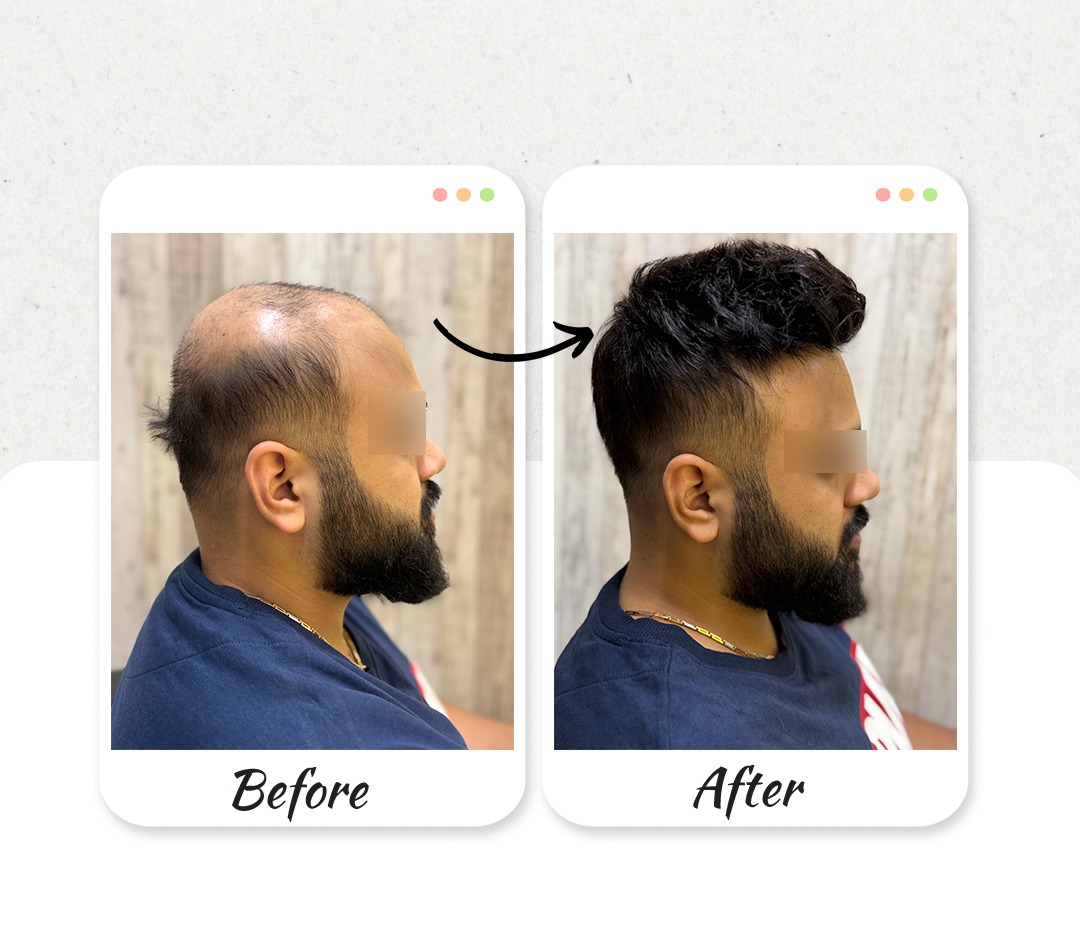
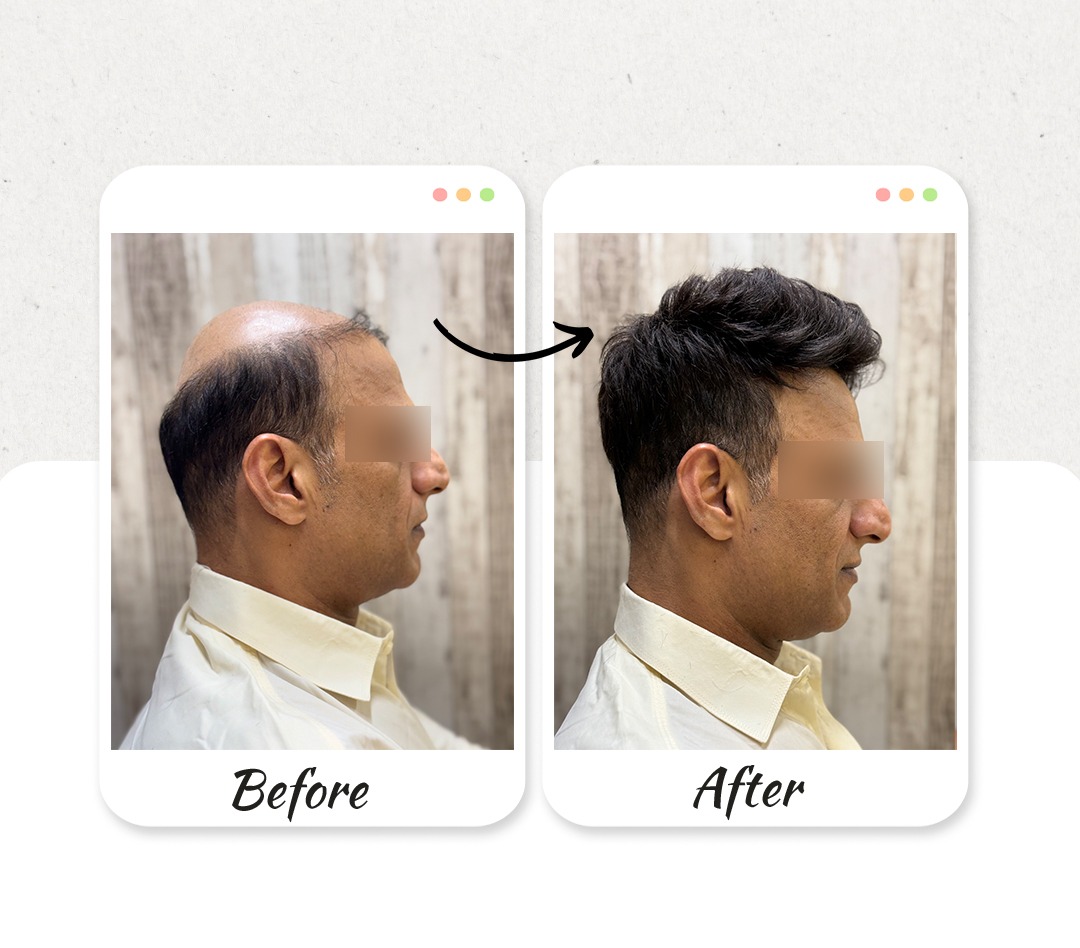
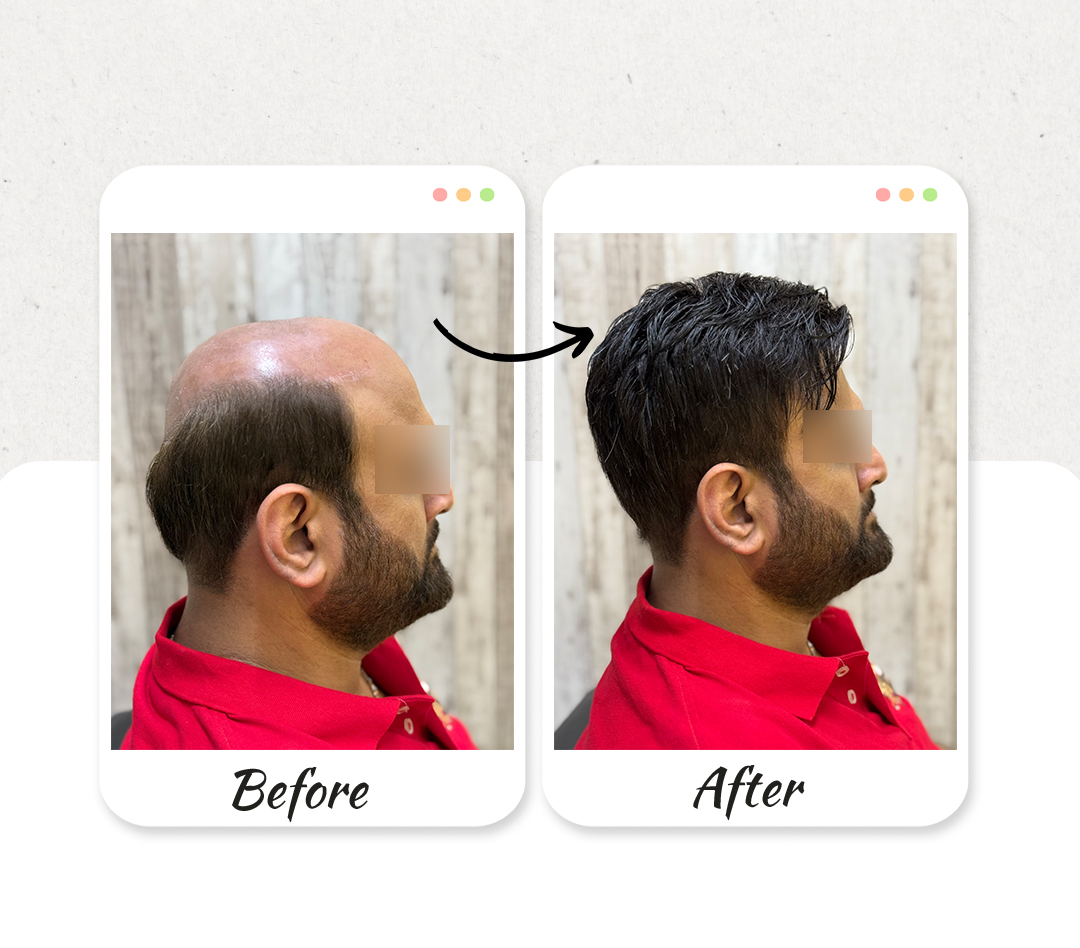
But when the damage has progressed beyond what a better routine can address, when thinning is visible, when follicles are no longer producing the way they should, lifestyle changes alone won’t restore what’s been lost. That’s exactly where a professionally customised, non-surgical hair solution becomes the most practical and confidence-restoring path forward.
At Hair Destination Studio, we’ve worked with thousands of men and women across Mumbai who came in not because they’d given up on their hair, but because they wanted a real solution, something that looked natural, lasted, and let them get on with their lives. If you’re at that point, or simply want a clearer picture of where your hair health stands, our free consultation at Powai or Malad is the most useful place to start.
Hair Destination Studio | Non-Surgical Hair Replacement in Mumbai
Powai & Malad | +91 88283 81386